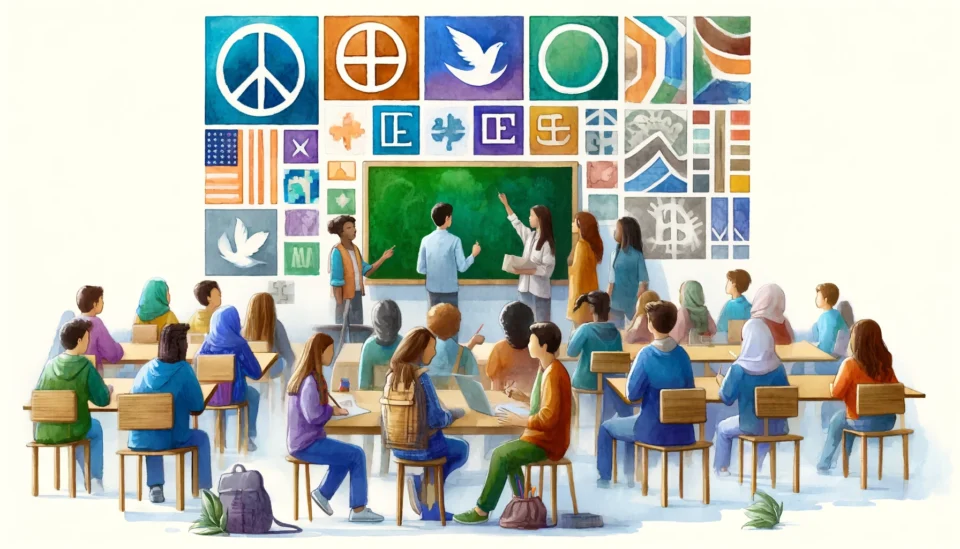


In our increasingly interconnected world, the diversity of cultures and perspectives brings both richness and complexity to our societies. It is imperative, therefore, to cultivate an educational system that not only recognizes but embraces these differences. Inclusive education is not just a strategy but a fundamental approach that intertwines diversity, respect, and unity within the learning environment.
This article delves deeply into the critical role of inclusive education in multicultural societies, illustrating its potential to mold individuals who are not only tolerant and open-minded but also equipped to thrive in a globalized world. By fostering an environment where every student feels valued and included, inclusive education lays the groundwork for a more cohesive society.
Understanding Inclusive Education
What is Inclusive Education?
Inclusive education is a progressive pedagogical approach that champions the participation and contribution of all students. It is characterized by a commitment to:
- Diversity in Learning: Recognizing that each student brings a unique mix of experiences, abilities, and perspectives to the classroom.
- Equitable Opportunities: Ensuring every student has the support and opportunities they need to achieve their full potential, regardless of their background or abilities.
Core Principles of Inclusive Education:
- Accessibility: Modifying teaching methods, materials, and environments to cater to all learners.
- Respect and Recognition: Valuing the cultural, social, and personal identities of all students.
- Collaborative Learning: Promoting an educational setting where students learn with and from each other in a spirit of mutual respect.
Why Inclusive Education is Vital for Multicultural Societies
Multicultural societies, characterized by their rich tapestry of cultural, ethnic, and linguistic backgrounds, offer unparalleled opportunities for growth and innovation. However, these societies also face unique challenges:
- Cultural Misunderstandings and Stereotypes: Differences can lead to conflicts or misconceptions if not appropriately managed.
- Social Integration: Without a common ground of understanding and respect, integrating diverse groups can be challenging.
The Role of Inclusive Education:
Inclusive education plays a pivotal role in these environments by:
- Fostering Unity: Through shared educational experiences, students from various backgrounds come to understand and appreciate their differences.
- Reducing Conflicts: By teaching respect and acceptance, inclusive education helps prevent misunderstandings and stereotypes from taking root.
- Building Cohesive Communities: Educated individuals who value diversity contribute to creating more harmonious societies.
By emphasizing respect and acceptance, inclusive education not only enhances the educational experience but also acts as a cornerstone for developing societies that are rich in diversity yet united in their values.
Fostering Mutual Respect and Understanding Through Inclusive Education
Inclusive education transforms classrooms into vibrant communities where diversity is not just accepted but celebrated. Here’s how this approach fosters mutual respect and understanding:
- Shared Learning Spaces: Students from varied backgrounds learn together, sharing the same space and educational resources.
- Collaborative Learning Experiences: Activities are designed to require cooperation, encouraging students to work together, which naturally leads to a deeper understanding and appreciation of each other’s backgrounds.
- Breaking Down Barriers: Regular interaction in a cooperative setting helps dismantle stereotypes and prejudices, replacing them with informed respect and friendship.
Benefits of a Diverse Educational Environment:
- Students develop a well-rounded view of the world around them, learning to navigate and embrace differences.
- The classroom becomes a microcosm of the wider world, preparing students for the globalized society they will enter as adults.
Inclusive Education: A Tool for Personal Growth
Inclusive education extends beyond academic learning to significantly impact personal development:
- Empathy: Students learn to put themselves in others’ shoes, understanding different life experiences and viewpoints.
- Respect: Exposure to a range of cultures and lifestyles teaches students to value diversity, not fear it.
- Open-Mindedness: By interacting with a wide spectrum of peers, students develop a broader perspective on life and are more adaptable to change.
Cultivating Core Life Skills:
- Inclusive education fosters critical thinking by challenging students to solve problems in diverse teams.
- Emotional intelligence grows as students learn to communicate and interact with people from various backgrounds.
The Role of Teachers in Inclusive Education
Teachers are at the heart of making inclusive education a reality. Their responsibilities include:
- Inclusive Pedagogy: Adapting teaching methods to accommodate the needs of all students, ensuring that everyone can access the curriculum effectively.
- Resource Adaptation: Modifying materials to suit diverse learning styles and levels of ability.
- Environment of Respect: Cultivating a classroom culture where every student feels valued, safe, and understood.
Strategies for Teachers:
- Ongoing Professional Development: Engaging in continuous learning about inclusive practices to better support their students.
- Collaborative Strategies: Working with other educators to share insights and strategies for handling diverse classrooms effectively.
Overcoming Challenges in Implementing Inclusive Education
Implementing inclusive education is a transformative process that faces several challenges:
- Mindset Shift: Transitioning to an inclusive educational model requires a fundamental change in attitude and philosophy among all stakeholders, from administrators to teachers and parents.
- Resource Allocation: Ensuring adequate resources, including specialized training for teachers, accessible learning materials, and physical accommodations, is essential.
- Continuous Professional Development: Educators need ongoing training to address diverse learning needs effectively and adapt to inclusive teaching strategies.
Strategies to Overcome These Challenges:
- Policy Support: Governments and educational authorities must provide strong policy frameworks that support inclusion.
- Community Engagement: Involving parents and community members in the educational process to foster a broader understanding and support for inclusive practices.
- Investment in Resources: Allocating sufficient funding and resources to equip schools with the necessary tools and training to effectively implement inclusive education.
Despite these challenges, the transformative impact of creating a more inclusive, tolerant, and diverse educational environment justifies the effort and resources invested.
Inclusive Education: A Stepping Stone Towards Peaceful Coexistence
Inclusive education plays a pivotal role in laying the foundations for peaceful coexistence:
- Valuing Diversity: It teaches students to value and respect diversity, recognizing the worth of every individual regardless of differences.
- Social Integration: By integrating diverse groups within the educational system, inclusive education promotes understanding and reduces social tensions.
- Preparing Global Citizens: Educated in a multicultural and inclusive setting, students are better prepared to function and thrive in a globally interconnected world.
Benefits for Society:
- Fostering a culture of peace and mutual respect ensures that future generations carry these values into their adult lives, influencing broader societal interactions and decisions.
- By cultivating understanding and respect from a young age, inclusive education contributes directly to building more cohesive and peaceful communities.
The Impact of Inclusive Education on Society
The influence of inclusive education resonates far beyond individual classrooms and schools; it impacts the very fabric of society:
- Cultural Appreciation: Students educated in inclusive settings learn to appreciate cultural diversity and understand the value of different perspectives.
- Enhanced Social Skills: Learning in a diverse environment enhances students’ social skills, equipping them to navigate a variety of social situations and work collaboratively with people of different backgrounds.
- Community Impact: As these individuals transition into the workforce and broader society, they bring with them values of inclusiveness and cooperation, fostering environments that are more accepting and harmonious.
Long-Term Societal Benefits:
- Societies that emphasize inclusive education often experience reduced social conflicts and an increased sense of community and belonging among their citizens.
- These societies are typically better prepared to address and solve social issues collaboratively, benefiting from the diverse perspectives of their well-integrated citizens.
Strategies for Promoting Inclusive Education
To effectively promote inclusive education, a collaborative approach among all educational stakeholders is essential. Here are some targeted strategies to enhance inclusivity in educational systems:
1. Policy Development:
- Governmental Action: Develop robust policies that mandate inclusive education and allocate appropriate resources for its successful implementation.
- Legal Frameworks: Ensure that these policies are backed by legal provisions that enforce educational equity.
2. Teacher Training:
- Professional Development: Implement comprehensive training programs that equip teachers with skills to adapt teaching methods to accommodate all students.
- Ongoing Support: Provide continuous support and resources to educators to refine and update their teaching practices.
3. Parental Involvement:
- Community Engagement: Foster a cooperative relationship between schools and families to reinforce the values of inclusivity at home and in educational settings.
- Workshops and Seminars: Offer regular sessions for parents to understand and support inclusive educational practices.
4. Student Participation:
- Empowerment Through Inclusion: Actively involve students in decision-making processes related to inclusivity to give them a voice and responsibility in shaping their educational environment.
- Feedback Mechanisms: Establish systems for students to provide feedback on inclusivity practices and suggest improvements.
The Role of Technology in Inclusive Education
Technology offers transformative potentials for enhancing inclusive education:
- Accessibility Tools: Utilize assistive technologies to tailor learning experiences to individual needs, making education accessible to students with disabilities.
- Collaborative Platforms: Implement digital platforms that encourage collaboration among students from diverse backgrounds, fostering an inclusive learning environment.
- Customized Learning: Leverage AI and machine learning to create adaptive learning environments that respond to the pace and style of each student.
Integrating Technology:
- Training for Educators: Educators should be trained not only in the use of technology but also in integrating technology in a way that promotes inclusivity.
- Infrastructure Development: Schools must invest in the necessary digital infrastructure to support the effective use of technology in education.
Inclusive Education: A Global Perspective
Inclusive education is not confined by geographical boundaries; it is a universal challenge and priority:
- United Nations’ Sustainable Development Goals: Inclusive education is integral to achieving equitable quality education worldwide as outlined in SDG 4.
- Global Collaboration: Sharing insights, policies, and practices among nations can help address common challenges and enhance the effectiveness of inclusive education systems globally.
Cultural Considerations:
– Despite differing cultural contexts and educational systems, the fundamental goal remains the same: to foster an educational environment that respects and values the uniqueness of every student.
The Future of Inclusive Education
Looking ahead, the future of inclusive education is both promising and demanding:
- Increasing Global Awareness: As awareness of the benefits of inclusive education grows, so does the commitment to its implementation.
- Technological Advancements: Continued advancements in technology provide new tools and methods to enhance inclusivity.
Challenges Ahead:
- Resource Allocation: Ensuring adequate resources remain a significant challenge.
- Cultural Adaptability: Adapting inclusive practices to fit diverse cultural contexts requires ongoing effort and innovation.
Continued Commitment:
- The commitment to advancing inclusive education must persist, with stakeholders at all levels working together to ensure that inclusivity is not just an ideal, but a reality for every student around the world.
Overcoming Challenges in Inclusive Education
While the benefits of inclusive education are widely recognized, implementing this approach comes with its own set of challenges. Addressing these effectively is crucial for the success and sustainability of inclusive practices.
Key Challenges and Solutions:
1. Resource Allocation:
- Essential Resources: Inclusive education demands resources that cater to a diverse student body, including assistive technologies for students with special needs and tailored educational materials.
- Funding Priorities: It is imperative for governments and educational institutions to allocate sufficient budget and resources to support inclusive education. This includes funding for infrastructure improvements and the integration of technology that facilitates accessibility for all students.
2. Teacher Training and Support:
- Professional Development: Ensuring that teachers are well-prepared to handle the demands of an inclusive classroom is critical. This involves not just initial training but ongoing professional development opportunities to keep abreast of the latest educational strategies and technologies.
- Support Systems: Establishing strong support systems within schools, such as mentoring programs and collaborative teaching models, can help educators feel more confident and effective in their roles.
3. Changing Attitudes and Mindsets:
- Education and Awareness: Combatting societal biases and prejudices requires continuous education and proactive awareness campaigns. Schools play a crucial role in this regard by integrating multicultural education and anti-bias training into their curricula.
- Role Models and Representation: Promoting positive representations of diverse groups in school materials and activities helps foster an environment of respect and acceptance.
4. Parental and Community Engagement:
- Informed Advocacy: Engaging parents and community members as advocates for inclusive education is vital. This includes providing them with the necessary information and tools to support their children’s education effectively.
- Community Involvement: Facilitating community involvement through workshops, school events, and decision-making processes helps build a supportive network around students, enhancing the educational environment.
Enhancing Inclusive Education:
In addressing these challenges, schools and educational policymakers can significantly enhance the effectiveness of inclusive education. This includes:
- Integrative Policies: Developing and implementing policies that encourage inclusivity and hold educational institutions accountable for providing equitable learning opportunities.
- Collaborative Efforts: Encouraging collaboration between schools, families, and community organizations to create a more supportive educational ecosystem for all students.
By tackling these challenges head-on, inclusive education can move from a noble concept to a practical reality, ensuring that all students, regardless of their background or abilities, receive a quality education in an environment
Inclusive Education: Beyond Academics
Inclusive education transcends the conventional focus on academic success to emphasize holistic development and well-being. It cultivates vital life skills that foster personal and communal health:
- Social-Emotional Skills: Inclusive settings teach students how to manage emotions, build healthy relationships, and empathize with others, laying the foundation for emotional intelligence.
- Resilience: Facing and overcoming challenges within a supportive educational environment helps students develop resilience, equipping them to handle life’s obstacles effectively.
- Self-Esteem: By recognizing and valuing each student’s unique contributions, inclusive education enhances self-esteem and promotes a positive self-image.
Community and Belonging:
- Sense of Community: Students in inclusive environments feel a stronger sense of community and belonging, which boosts their engagement and participation in school activities.
- Empathy and Contribution: Feeling valued inspires students to extend empathy towards others and contribute positively to their communities, reinforcing social bonds and communal support.
These aspects of inclusive education ensure that students not only excel academically but also develop the social and emotional competencies needed to thrive in all areas of life.
Inclusive Education as a Pathway to Coexistence
Inclusive education is a powerful agent for social change, serving as a fundamental pathway to peaceful coexistence in increasingly multicultural societies:
- Breaking Down Barriers: By integrating diverse student populations, inclusive education dismantles social and cultural barriers, facilitating a deeper understanding and appreciation of diversity.
- Challenging Stereotypes: Regular interaction and cooperative learning help debunk myths and stereotypes, fostering a culture of acceptance and respect.
- Fostering Understanding: The classroom becomes a microcosm of the wider world, where students learn not only to coexist but to value and celebrate differences.
Ethos of Coexistence:
- Promoting Diversity and Acceptance: Inclusive education champions the principles of diversity, acceptance, and mutual respect, which are essential for harmonious living.
- Teaching Harmony: It provides the tools and experiences that enable individuals to live together peacefully, respecting and valuing each other’s differences.
Ultimately, inclusive education does more than educate; it shapes a society that is better equipped to embrace diversity and foster peace. It holds the key to building a world where differences are not merely tolerated but celebrated as strengths.
Conclusion
In a world teeming with diversity, the role of inclusive education has never been more crucial. As societies become increasingly multicultural, the need for an educational system that fosters understanding and respect from an early age becomes paramount. Inclusive education does more than just teach academics; it prepares students for a life of coexistence in a varied world by instilling values of empathy, acceptance, and mutual respect.
Addressing the multifaceted challenges that come with implementing inclusive education is not a small feat, but the potential benefits for society—peace, unity, and enhanced social cohesion—are profound. Achieving this vision requires a united effort from all stakeholders, including educators, policymakers, families, and communities.
Together, we can transform our educational environments into incubators for a more peaceful and inclusive future. The effort is substantial, the journey long, but the rewards—the creation of a harmonious and accepting society—are indeed well worth it.
Key Takeaways
1. Essential for Modern Societies: Inclusive education is vital in preparing individuals to thrive in and contribute to our diverse global community.
2. Beyond Academics: It fosters important life skills like empathy, resilience, and a positive sense of self, which are crucial for personal and professional success.
3. Promotes Peaceful Coexistence: By teaching students from diverse backgrounds to understand and respect each other, inclusive education lays the groundwork for a more peaceful society.
4. Requires Comprehensive Effort: Successful implementation of inclusive education systems demands ongoing commitment and collaboration from all sectors of society.
5. Challenges Are Opportunities: While there are significant challenges in adopting inclusive education, each challenge presents an opportunity to improve and refine educational practices that benefit all students.
6. Impact Beyond the Classroom: The principles and values taught in inclusive settings extend into the broader community, influencing future interactions and societal norms.
7. A Continuous Process: The journey towards fully inclusive education is ongoing and requires constant advocacy, adaptation, and proactive change.
Frequently Asked Questions
Q: What is the significance of inclusion in education for multicultural societies?
A: Inclusion in education ensures that every child, regardless of their background, disabilities, or learning needs, has access to the same educational opportunities. This approach is particularly important in multicultural societies, where it fosters a sense of belonging, respect for diversity, and mutual understanding. It aims to prepare all students, with or without disabilities, to participate actively in a diverse world.
Q: How does an inclusive classroom differ from a traditional classroom?
A: An inclusive classroom integrates children with disabilities or special education needs into general education classrooms, whereas traditional classrooms may separate these students into different classes or schools. Inclusive classrooms operate on the principle of providing the least restrictive environment, adapting learning methods to suit all students, and fostering a learning community where every student’s needs and potentials are recognized and supported.
Q: What are some common inclusive practices in education?
A: Common inclusive practices include differentiated instruction to meet diverse learning needs, the use of individualized education programs (IEPs) for students with disabilities, employing classroom strategies that benefit all students, such as cooperative learning and multimodal teaching, and providing the necessary accommodations and modifications to ensure every child can participate and achieve learning goals.
Q: Can inclusion in education benefit students without disabilities?
A: Yes, inclusion in education benefits all students, not just those with disabilities. It creates an environment of understanding and acceptance, teaches empathy, and prepares students for a diverse society. Students without disabilities can benefit from varied teaching strategies and a richer, more diverse social experience that inclusion classrooms provide.
Q: What role do special education teachers play in an inclusive classroom?
A: Special education teachers in an inclusive classroom work closely with general education teachers to support students with disabilities. They help design and implement individualized education programs (IEPs), adapt curriculum and assessments, provide specialized instruction, and use classroom strategies that accommodate students’ diverse needs, ensuring that every child can access the curriculum and participate fully in class activities.
Q: How is the concept of the least restrictive environment applied in inclusive schools?
A: The concept of the least restrictive environment (LRE) is a cornerstone of inclusive education, stipulating that children with disabilities should learn alongside their peers without disabilities to the greatest extent possible. Inclusive schools implement LRE by providing the necessary support and accommodations within the general classroom, avoiding separate settings unless absolutely necessary for the educational benefit of the student.
Q: What are the challenges of implementing inclusion in education?
A: Implementing inclusion in education faces several challenges, including insufficient funding, lack of appropriate training for teachers, insufficient resources and support services, resistance from education professionals and/or parents, and physical barriers to education. Addressing these challenges requires commitment from all stakeholders, including the Board of Education, to create truly inclusive schools that can cater to the needs of all students.
Q: How does inclusive education align with education law?
A: Inclusive education aligns with education law through legislation like the Individuals with Disabilities Education Act (IDEA), which mandates that children with disabilities have the right to a free and appropriate public education in the least restrictive environment. This legal backing supports the development of inclusive practices and policies in schools, ensuring that the inclusion of children with disabilities is a priority in educational settings.
Q: What are the key goals of making education inclusive for everyone?
A: The key goals of making education inclusive are to eliminate barriers to learning for all students, particularly those with disabilities; to ensure that every child receives an appropriate education that meets their individual needs; to promote a sense of belonging and community among a diverse student body; and to prepare all students for an inclusive society by fostering understanding, respect, and empathy for everyone’s differences.