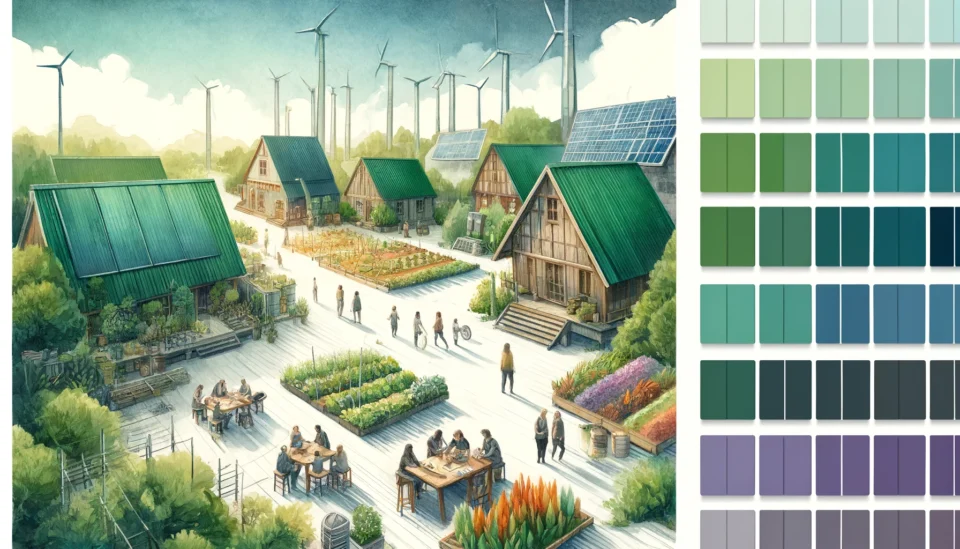


Eco-villages represent a visionary approach to living, characterized by community-oriented lifestyles that are deeply rooted in environmental sustainability and social harmony. These intentional communities are designed to be self-sufficient, with a strong emphasis on ecological building, renewable energy sources, and sustainable agriculture. Their structure supports minimal ecological impact while fostering a strong sense of community among residents.
This article focuses specifically on how eco-villages not only embody sustainability but also enhance coexistence among diverse groups of people. By integrating principles of ecological care with community building, eco-villages offer valuable insights into how we might reshape our broader societal frameworks to be both greener and more inclusive.
The relevance of eco-villages extends far beyond their immediate boundaries. In today’s world, where environmental degradation and social fragmentation are prevalent, eco-villages serve as critical models for sustainability and social integration. They demonstrate practical applications of how to live sustainably while promoting an ethos of cooperation and mutual respect, crucial in our increasingly interconnected but divided world.
The Concept of Eco-villages
Eco-villages are defined as intentional communities whose goal is to achieve ecological, economic, and social sustainability. Often created through a collective initiative, these villages are designed to minimize environmental impact and maximize the well-being of their inhabitants. The concept originated in the late 20th century as a response to the growing concerns over environmental degradation and a desire for a more sustainable and ethical way of living.
History of Eco-villages:
- The idea of eco-villages began to take shape in the 1980s, influenced by the increasing awareness of global environmental issues and the limitations of urban living styles.
- Pioneering projects like the Findhorn Foundation in Scotland and the Auroville in India set benchmarks for what eco-villages could achieve. These communities integrated principles of permaculture, green building, and renewable energy long before these practices became mainstream.
Key Characteristics of Eco-villages:
- Sustainable Architecture: Buildings in eco-villages are often constructed using local, natural, or recycled materials, designed to reduce energy consumption and environmental impact.
- Renewable Energy: Eco-villages strive for energy self-sufficiency through the use of solar panels, wind turbines, and other renewable energy sources.
- Organic Agriculture: Food production is based on organic farming, supporting biodiversity and reducing the community’s carbon footprint.
- Water Management: Sustainable water use is achieved through practices like rainwater harvesting, greywater recycling, and the use of natural water purification systems.
- Community Living: At the heart of eco-village design is the promotion of social interactions and cooperative living, which strengthens community bonds and supports shared resource management.
Eco-villages are more than just a place to live; they are dynamic entities that continually evolve as they adapt to new ecological insights and technologies. They serve as living laboratories for experimenting with innovative solutions to environmental and social challenges.
Eco-villages and Environmental Sustainability
Eco-villages are at the forefront of reducing ecological footprints through intentional design and sustainable practices. These communities are constructed to harmonize with their environment, maximizing efficiency and minimizing waste.
Reducing Ecological Footprints:
- Compact Design: Eco-villages often feature compact building designs that reduce land use and resource consumption. This design philosophy supports a smaller ecological footprint by preserving natural habitats and reducing the amount of built space.
- Integrated Permaculture: Landscaping and agricultural practices in eco-villages typically follow permaculture principles, which mimic the no-waste, cyclical processes of natural ecosystems.
Sustainable Practices in Eco-villages:
- Renewable Energy Use: Eco-villages leverage technologies like solar panels, wind turbines, and biogas systems to produce clean energy, striving towards energy self-sufficiency and reducing reliance on fossil fuels.
- Water Conservation: Water management systems in eco-villages include rainwater harvesting, sustainable sewage treatments, and natural water purification systems, significantly reducing water waste and pollution.
- Waste Management: Composting, recycling, and zero-waste strategies are integral to eco-villages, turning waste into resources and minimizing landfill use.
Case Studies of Successful Eco-villages:
- Findhorn, Scotland: One of the oldest eco-villages, Findhorn is renowned for its ecological houses, made from sustainable materials and designed for minimal energy consumption. The community also uses wind turbines to generate energy.
- Auroville, India: This internationally recognized eco-village focuses on sustainable living and regeneration of the environment. Auroville has extensive reforestation efforts and uses solar energy to meet a significant portion of its electrical needs.
- Dancing Rabbit Ecovillage, USA: Located in Missouri, Dancing Rabbit is a testament to sustainable living, with natural building, solar energy, and car-sharing programs. The community demonstrates effective sustainable practices in a temperate climate.
These eco-villages not only successfully reduce their ecological footprints but also serve as inspirational models for sustainability that can be replicated and adapted around the world. Each case study reflects a unique approach to integrating sustainable practices into community living, showcasing a variety of strategies that can be tailored to different environmental and cultural contexts.
Building Sustainable Communities in Eco-villages
Eco-villages exemplify how community planning and the integration of sustainable technologies can create environments that are both livable and environmentally friendly. Their approach provides valuable lessons in building sustainability into the fabric of community life.
Community Planning and Sustainability:
- Holistic Design: Eco-villages are planned with a holistic view, considering environmental, economic, and social factors to create sustainable communities. This often includes strategic placement of buildings to maximize natural heating and cooling, community-shared spaces to reduce individual consumption, and green spaces that promote biodiversity.
- Participatory Planning: Residents often play a direct role in the planning process, ensuring that the community’s design and operations align with the needs and values of its members. This participatory approach fosters a strong sense of ownership and responsibility towards the sustainability goals of the community.
Techniques and Technologies Enhancing Sustainability:
- Green Building Materials: Eco-villages frequently use low-impact building materials like straw bale, cob, and recycled materials, which have a smaller environmental footprint than conventional building materials.
- Sustainable Infrastructure: Advanced systems for water treatment and energy generation, such as constructed wetlands for wastewater treatment and integrated solar systems, are common. These infrastructures are designed to reduce resource consumption and minimize pollution.
- Food Systems: Many eco-villages incorporate organic farming, permaculture techniques, and local food production, which reduce carbon footprints associated with food transport and industrial agriculture.
Impact on Local and Global Environments:
- Local Benefits: Locally, eco-villages can significantly reduce pollution, enhance land and water quality, and increase local biodiversity. By managing resources thoughtfully and reducing waste, these communities directly contribute to the health of their immediate environment.
- Global Influence: On a global scale, eco-villages serve as live demonstrations of sustainable living, influencing broader societal norms and policies through education and example. Their success stories provide proof of concept that can inspire similar sustainable initiatives worldwide, spreading the impact of localized actions to a global audience.
Eco-villages as Models for Coexistence
Eco-villages exemplify how environmental sustainability can harmoniously intersect with social coexistence. These communities are not just about living green; they are about living together in peace and mutual respect.
Fostering a Culture of Cooperation and Shared Values:
- Community Governance: Eco-villages often operate on principles of participatory governance, where decisions are made collectively. This democratic approach encourages a sense of ownership and joint responsibility among residents.
- Shared Goals: The common goals of sustainability and community well-being help unite residents, transcending individual differences. Regular community meetings and shared responsibilities in maintaining the eco-village reinforce this cooperative ethos.
Supportive Social Structure for Diverse Community Living:
- Inclusive Planning: Eco-villages are designed to be inclusive, accommodating people from various backgrounds and with different needs. This includes designing physical spaces that are accessible to everyone and creating social programs that cater to diverse groups.
- Cultural Activities: Many eco-villages host cultural events that celebrate the diverse backgrounds of their residents, which helps to foster mutual understanding and appreciation.
Conflict Resolution Strategies:
- Mediation and Consensus-Building: Eco-villages typically have structured methods for conflict resolution, focusing on mediation and consensus rather than adversarial approaches. This ensures that disputes are resolved in a way that maintains community harmony.
- Skill-Building Workshops: Regular workshops on communication and conflict resolution skills equip residents with the tools they need to handle disagreements constructively.
Promoting Harmony:
- Shared Spaces and Activities: Designing shared communal spaces and organizing joint activities promote regular interaction and bonding among residents, which is crucial for maintaining a harmonious community atmosphere.
- Transparency and Communication: Open lines of communication and transparency in decision-making processes help prevent misunderstandings and build trust among community members.
Learning from Eco-villages: Lessons on Sustainability and Social Integration
Eco-villages are not only innovative living spaces but also rich sources of practical lessons for wider society. Their approaches to sustainability and community integration offer insights that can be adapted to enhance urban and suburban environments.
Valuable Lessons from Eco-villages:
- Integrated Sustainability: Eco-villages teach us that sustainability goes beyond environmental actions—it includes integrating these practices into every aspect of daily life. This includes building design, energy consumption, waste management, and food production.
- Community Engagement: The success of eco-villages often hinges on active participation and engagement from all community members. Larger societies can adopt this model to improve civic engagement and foster a sense of responsibility and belonging among citizens.
Scalability of Eco-village Practices:
- Urban Adaptation: Many sustainable practices pioneered by eco-villages, such as green building techniques and community gardens, are already being adapted for urban areas. Cities can expand on these initiatives by incorporating eco-village principles into neighborhood planning and development.
- Policy Integration: Eco-village practices can inform policy by demonstrating how sustainable practices can be effectively implemented at a small scale. Policymakers can use these insights to craft regulations that promote sustainability in larger communities.
Challenges and Opportunities in Scalability:
– **Resource Allocation**: While eco-villages often operate on a communal basis with shared resources, scaling these practices to larger populations requires significant investment and strategic resource distribution.
– **Cultural Adaptation**: The communal living model of eco-villages may not be suitable for all cultural contexts. However, elements such as cooperative decision-making and community-led projects can be adapted to fit different social structures.
Case Studies:
- Freiburg, Germany: This city has successfully integrated several eco-village principles, particularly in its Vauban district, which is renowned for its sustainable transport, energy-efficient buildings, and high levels of community engagement.
- Portland, Oregon, USA: Known for its strong environmental policies, Portland has adopted numerous sustainability initiatives inspired by eco-village designs, including extensive bike paths and green building requirements.
Challenges Faced by Eco-villages
Eco-villages, while idealistic in their principles, encounter a range of challenges that can impede their development and operational efficiency. Understanding these challenges is crucial for replicating their success in other contexts.
Common Challenges in Eco-villages:
- Financial Constraints: Securing funding for land acquisition, construction, and ongoing operations can be difficult, especially given the high initial costs associated with sustainable technologies and infrastructures.
- Regulatory Hurdles: Eco-villages often face zoning and building code challenges that are not designed to accommodate alternative living arrangements or unconventional green technologies.
- Social Dynamics: Maintaining harmony within a community where members often have high expectations for sustainability and community involvement can lead to burnout and conflict.
- Technical Challenges: Implementing advanced sustainable technologies requires a high level of expertise and ongoing maintenance, which can be a significant hurdle.
Addressing the Challenges:
- Innovative Financing: Many eco-villages explore alternative financing options such as community shares, crowdfunding, and partnerships with environmental grants and programs to overcome financial barriers.
- Engagement with Authorities: By actively engaging with local governments and regulatory bodies, eco-villages can help adapt policies and regulations to better suit sustainable living projects.
- Community Training and Support: To manage social dynamics effectively, eco-villages often invest in regular conflict resolution training, community-building activities, and transparent decision-making processes.
- Leveraging Expertise: Collaborations with universities, research institutions, and sustainability experts can provide the necessary technical support to implement and maintain eco-friendly technologies.
Sustainability and Coexistence:
- Long-term Planning: Eco-villages focus on long-term sustainability by planning for generational change and ensuring that infrastructure can adapt to future needs.
- Promoting Inclusivity: Diverse and inclusive community policies help ensure that eco-villages remain vibrant and resilient, adapting to the needs of all residents and fostering a culture of acceptance and respect.
The Future of Eco-villages
Eco-villages stand at the forefront of sustainable living, continually evolving with new trends and innovations. Their role in pioneering future sustainable communities is both transformative and inspirational.
Emerging Trends in Eco-village Designs and Concepts:
- Technological Integration: Advanced technologies such as smart grids, IoT (Internet of Things) devices, and renewable energy systems are becoming more prevalent in eco-villages, enhancing efficiency and reducing environmental impacts.
- Regenerative Practices: Beyond sustainability, eco-villages are moving towards regenerative practices that restore and revitalize their environments. This includes restoring native ecosystems, improving soil fertility, and enhancing biodiversity.
- Architectural Innovation: New architectural designs that maximize energy efficiency and minimize resource use are being developed, including earth-sheltered homes and buildings made from upcycled materials.
- Expansion of Urban Eco-villages: As urban populations grow, the concept of eco-villages is being adapted to urban settings, creating green, self-sustaining enclaves within cities.
Potential Role of Eco-villages in Shaping Future Sustainable Communities:
- Models of Sustainability: Eco-villages serve as living models that demonstrate the practicality of sustainable and regenerative living. They offer valuable lessons that can be scaled up or adapted to larger urban environments.
- Community Engagement: Eco-villages emphasize community participation and governance, principles that can inform broader community development strategies to enhance civic engagement and local governance.
- Education and Outreach: Many eco-villages host educational programs and workshops that serve as outreach tools, spreading sustainable practices and philosophies to a wider audience.
- Influencing Policy: The success of eco-villages in creating sustainable lifestyles can influence policy at local, national, and international levels, encouraging the adoption of eco-friendly laws and guidelines.
The future of eco-villages looks promising as they continue to innovate and inspire sustainable living practices. By effectively demonstrating how to live in harmony with the environment, eco-villages have the potential to significantly shape the development of future sustainable communities across the globe. If there are specific aspects of this future vision you would like to expand upon or refine, please let me know!
How to Get Involved with Eco-villages
Engaging with eco-villages offers a unique opportunity to learn about sustainable living firsthand and contribute to the growth of environmentally friendly communities. Here are several ways individuals can become involved:
Ways to Engage with and Support Eco-villages:
- Volunteering: Many eco-villages welcome volunteers who are interested in learning about sustainable practices and assisting with daily operations. This can include gardening, building, teaching, and more.
- Residencies and Internships: Some eco-villages offer longer-term residency or internship programs that allow individuals to live within the community and gain in-depth knowledge of eco-village lifestyles and management.
- Donations and Sponsorships: Supporting eco-villages financially helps ensure the longevity and success of their sustainability projects. Donations can be targeted towards specific initiatives such as renewable energy installations or educational programs.
Educational Opportunities and Participation:
- Workshops and Courses: Eco-villages often host workshops or courses on topics like permaculture, sustainable building techniques, and renewable energy. These educational opportunities are open to the public and can provide valuable skills and knowledge.
- Community Events: Participating in or attending community events hosted by eco-villages is another way to get involved. These events can range from open houses and tours to festivals and speaking engagements that focus on sustainability topics.
- Remote Collaboration: For those who cannot physically visit an eco-village, many communities offer online workshops, webinars, and courses that teach sustainable practices that can be applied at home.
Becoming a Member or Starting an Eco-village:
- Membership: Joining an eco-village as a full-time member is an option for those who wish to fully commit to the eco-village lifestyle. This involves becoming an integral part of the community and often requires a commitment to the village’s governance and daily tasks.
- Starting an Eco-village: Inspired individuals can take the initiative to start their own eco-villages. This involves extensive planning and community building but can be facilitated by consulting with existing eco-villages for guidance and support.
Engaging with eco-villages provides a pathway to understand and contribute to sustainable community practices actively. Whether through hands-on participation, educational endeavors, or community support, there are multiple avenues available for involvement that can suit different interests and capabilities. If further details are needed or specific aspects need highlighting, please let me know!
Conclusion
Eco-villages stand as a beacon of sustainability and community in a world increasingly grappling with environmental degradation and social isolation. These intentional communities exemplify how integrating sustainable living practices with a strong focus on social coexistence can lead to healthier, more resilient societies. By fostering environments where ecological responsibility and social well-being are intertwined, eco-villages not only sustain themselves but also offer scalable models for the wider world.
The importance of eco-villages extends beyond their immediate boundaries; they serve as real-world laboratories for experimenting with sustainable technologies, community-driven governance, and integrative lifestyle practices. As the planet faces unprecedented environmental challenges, eco-villages illuminate the path towards not just surviving but thriving by emphasizing harmony between human activities and natural systems. They remind us that sustainability is as much about cultivating positive human relationships as it is about conserving resources.
Key Takeaways
1. Sustainable Living Models: Eco-villages demonstrate effective, practical applications of sustainability, including renewable energy, waste management, and ecological building — setting standards for others to follow.
2. Community and Coexistence: Through their communal living arrangements, eco-villages foster a culture of cooperation, shared values, and mutual respect, showing how diverse groups can live together harmoniously.
3. Innovative Practices: Eco-villages continuously evolve, integrating cutting-edge technologies and regenerative techniques that reduce environmental impact and improve quality of life.
4. Educational and Inspirational: Eco-villages serve as educational hubs for sustainable practices, offering workshops, courses, and tours that inspire visitors and participants to adopt greener lifestyles.
5. Scalability and Influence: The lessons learned from eco-villages are applicable on a larger scale, influencing urban development and policy-making towards more sustainable and inclusive community planning.
6. Global Relevance: As global awareness of environmental issues grows, eco-villages provide critical insights into living sustainably and responsibly in balance with our environment.
7. Active Participation and Engagement: Individuals can contribute to and learn from eco-villages, whether through physical involvement or support, enhancing their personal understanding of sustainability and community.
Frequently Asked Questions
Q: What is an ecovillage and how does it promote sustainability?
A: An ecovillage is a planned or organically formed community that aims to have the least possible negative impact on the natural environment. They promote sustainability by integrating eco-friendly practices such as organic farming, sustainable architecture, and renewable energy systems. These communities are designed on ecovillage principles, focusing on living harmoniously with nature and minimizing their environmental impact.
Q: Can anyone join an ecovillage, such as Findhorn or Dancing Rabbit?
A: Yes, most ecovillages welcome new members who share their values of sustainability, community living, and eco-friendliness. Findhorn Ecovillage and Dancing Rabbit Ecovillage, for example, have specific processes for becoming a community member, which may include visiting as a volunteer, attending workshops, or participating in community activities to ensure alignment with the community’s ethos and values.
Q: How do ecovillages contribute to social sustainability?
A: Ecovillages contribute to social sustainability by fostering strong community bonds, promoting shared values of cooperation and mutual support, and practicing inclusive decision-making processes. They often focus on spirituality, cohousing, and communes, offering a platform for personal growth and collective well-being, thereby nurturing resilient communities for a regenerative future.
Q: What role does the Global Ecovillage Network (GEN) play in supporting ecovillages?
A: The Global Ecovillage Network (GEN) plays a pivotal role in supporting ecovillages by facilitating knowledge exchange, providing training and education on sustainable living and ecovillage design, and advocating for sustainable development at global forums. GEN envisions a world of empowered citizens and communities, designing and implementing pathways to a sustainable future through the ecovillage approach.
Q: How can I participate or contribute to an ecovillage community?
A: Individuals can participate in or contribute to ecovillage communities in several ways, such as volunteering with GEN, donating to support sustainable projects, joining workshops or educational programs, and applying to live in an ecovillage. Additionally, signing up for newsletters or attending local gatherings can provide further insight into the ecovillage movement and opportunities for involvement.
Q: What are the environmental benefits of living in an ecovillage?
A: Living in an ecovillage offers numerous environmental benefits, including a reduced carbon footprint due to sustainable living practices, the preservation of natural habitats through ecologically responsible land use, and enhanced biodiversity. Ecovillages often use organic farming methods, renewable energy, and waste reduction techniques, contributing to healthier social and natural environments.
Q: Can ecovillages be found worldwide, and how do they differ?
A: Yes, ecovillages can be found worldwide, from the Ecovillage at Ithaca in the United States to the Findhorn Ecovillage in Scotland. While the core principles of sustainability, community living, and eco-friendliness are shared, ecovillages often reflect the cultural, climatic, and geographical diversity of their locations. This results in a rich variety of practices, from the types of sustainable agriculture employed to the architectural styles of the eco dwellings.
Q: How do ecovillages integrate modern technology with sustainability?
A: Many ecovillages integrate modern technology with sustainability by employing solar panels, wind turbines, and eco-friendly building materials to reduce their impact on the environment. Sustainable technology also includes water purification systems, efficient waste management, and sustainable transportation options, all designed to support an ecologically sustainable lifestyle while benefiting from modern technological advancements.