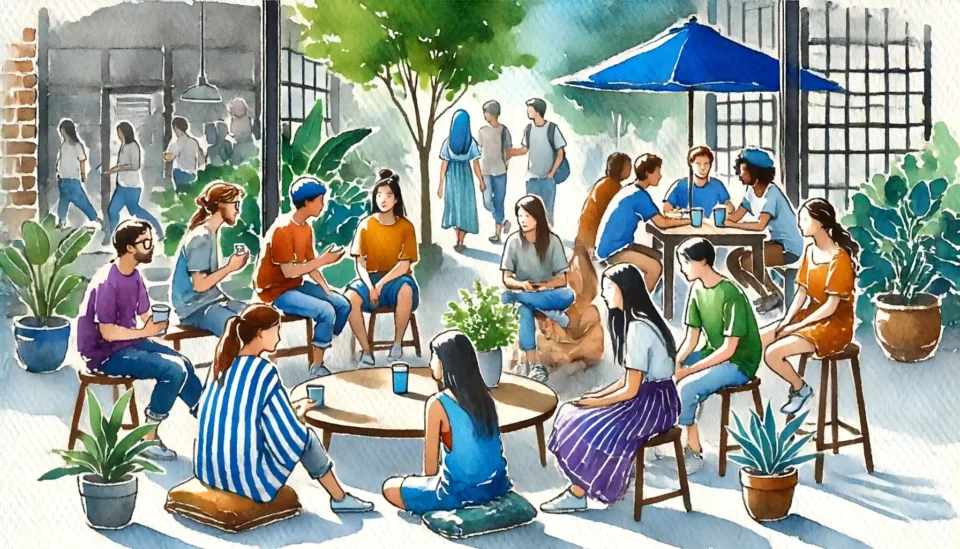


In an increasingly interconnected world, the ability to understand and coexist with people from diverse cultural backgrounds is not just a virtue but a necessity. Cultural understanding and coexistence are essential for maintaining harmony and fostering collaborative relationships across global societies. These skills enable individuals to navigate the complexities of our multifaceted world, making them crucial for personal and professional success.
Youth programs play a pivotal role in cultivating these qualities early in life. By engaging young individuals in activities that expose them to different cultures and perspectives, these programs lay the groundwork for a more tolerant and inclusive society. They provide valuable opportunities for youths to learn about and appreciate differences, challenge their own preconceptions, and develop the empathy and respect that are fundamental to peaceful coexistence.
Whether through student exchange initiatives, cultural immersion camps, or community service projects abroad, youth programs are uniquely positioned to bridge divides and build understanding. They not only educate but also transform, shaping the leaders of tomorrow into global citizens who are well-equipped to contribute positively to a diverse world.
The Role of Youth Programs in Promoting Cultural Understanding
Youth programs dedicated to cultural education are diverse initiatives designed to immerse young individuals in experiences that broaden their understanding of the world. These programs can range from local community workshops to international travel opportunities, each structured to expose participants to the rich tapestry of global cultures.
Defining Youth Programs in Cultural Education:
Youth programs in this context include:
- Cultural exchange programs that allow students to study abroad and live with host families.
- Language immersion schools where learning a new language goes hand in hand with understanding cultural contexts.
- Art and history workshops that explore different cultural heritages through visual and performing arts.
- Global citizenship seminars which focus on teaching the responsibilities and roles of individuals in an interconnected world.
Objectives of Cultural Education Programs:
The main objectives of these youth programs are to:
- Enhance Cultural Awareness: Educate young individuals about different cultures, traditions, and social norms to foster a global perspective.
- Develop Sensitivity and Empathy: Through direct interaction and shared experiences, participants develop a deeper empathy for people from different backgrounds, learning to appreciate and respect diversity.
- Encourage Critical Thinking: Engage youths in discussions and activities that challenge stereotypes and encourage them to think critically about cultural assumptions.
- Promote Social Skills: Facilitate situations where youths must navigate and adapt to new social environments, thereby enhancing their communication skills and social adaptability.
Youth programs that focus on cultural education play a critical role in preparing young individuals to thrive in a multicultural environment. By offering real-world experiences and practical knowledge, these programs equip youths with the tools they need to navigate cultural complexities with sensitivity and respect, ultimately contributing to more harmonious coexistence in global societies.
Types of Youth Programs Focused on Cultural Understanding
Youth programs dedicated to fostering cultural understanding come in various forms, each designed to engage young people in meaningful ways that broaden their horizons and deepen their appreciation for different cultures. Below, we explore some of the most impactful types of programs.
Overview of Different Types of Youth Programs:
- Exchange Programs: These programs allow students to spend a semester or a year abroad, attending school in a different country and living with a host family. This immersive experience provides firsthand insight into the daily life and customs of another culture.
- Cultural Immersion Camps: Often taking place during school breaks, these camps involve a range of activities, including language lessons, cultural workshops, and local excursions, all designed to immerse participants in a new culture in a condensed timeframe.
- International Volunteer Projects: These programs combine cultural education with community service, allowing participants to work on projects that benefit a community while learning about the local culture and contributing positively to their hosts.
- Interfaith Youth Camps: Designed to bring together young people from various religious backgrounds, these camps foster mutual understanding and respect through shared religious and cultural education programs.
Examples of Successful Programs:
- AFS Intercultural Programs: A leader in international high school student exchange for over 70 years, AFS has enabled thousands of students to engage in intercultural learning experiences that foster global competence and character development.
- Global Leadership Adventures: These programs offer teen summer opportunities abroad that focus on volunteerism and learning about new cultures, combining adventure with learning to create impactful, transformative experiences.
- Cross-Cultural Solutions: This organization provides volunteer abroad experiences in different countries, focusing on understanding global health, education, and community development from a local perspective.
- Seeds of Peace: Specifically designed for regions of conflict, this program brings together youth from opposing sides to participate in dialogue and peace-building activities, promoting understanding across cultural and political divides.
Each of these programs plays a vital role in enhancing cultural sensitivity and awareness among young participants. They offer practical experiences that can significantly shape a young person’s worldview and foster a lifelong appreciation and respect for cultural diversity.
Key Components of Effective Youth Programs
For youth programs focused on cultural understanding to be effective, they must incorporate certain foundational elements that facilitate learning and interaction. These components are critical in shaping the experiences that help young people develop a deep appreciation for cultural diversity.
Essential Elements of Effective Youth Programs:
- Structured Interactions: Programs should facilitate structured interactions that allow participants to engage meaningfully with each other and with the host community. This could include activities like team-building exercises, collaborative projects, and discussion groups that encourage open communication and mutual understanding.
- Guided Reflections: Facilitated reflection sessions where participants are encouraged to think critically about their experiences can significantly enhance learning. These reflections help them understand and process cultural differences and similarities, and the emotional responses they evoke.
- Community Involvement: Effective programs ensure that participants have ample opportunity to interact with the local community through volunteer projects, cultural festivals, and other community events. This direct engagement fosters a genuine appreciation and respect for the host culture.
- Continuous Feedback: Incorporating mechanisms for continuous feedback from participants allows program organizers to make necessary adjustments and address any issues that may arise, ensuring that the program meets its educational goals.
Importance of Curriculum Design:
- Intercultural Education Principles: The curriculum should be designed with a clear focus on intercultural education principles, which emphasize respect, equality, and diversity. It should include comprehensive content on cultural norms, communication styles, history, and societal values of the host community.
- Adaptive Learning Environments: Programs should be flexible enough to adapt to the diverse learning styles and backgrounds of participants. This might involve using a variety of educational materials and methods, such as visual aids, interactive software, and hands-on learning experiences.
- Skills Development: Besides cultural knowledge, the curriculum should aim to develop practical skills that enhance intercultural competence, such as language skills, non-verbal communication, conflict resolution, and empathy.
Integrating these components effectively into youth programs not only enhances cultural understanding but also equips participants with the skills and knowledge to act as ambassadors of coexistence in their own communities. This approach helps ensure that the lessons learned extend beyond the duration of the program and have a lasting impact on participants’ personal and professional lives.
Challenges in Implementing Cultural Programs for Youth
Implementing cultural programs for youth, while rewarding, comes with a set of unique challenges that can impact their effectiveness and sustainability. Identifying these challenges and devising appropriate strategies is crucial for the success of these programs.
Common Challenges:
- Funding Constraints: Securing consistent funding is one of the primary challenges faced by organizers. Cultural programs often require substantial investment in materials, staffing, travel, and accommodations, which can be a barrier to initiation and continuity.
- Participant Diversity: Managing a diverse group of participants with varying backgrounds, expectations, and levels of cultural awareness can be challenging. Differences in language, social norms, and educational backgrounds can lead to misunderstandings and conflicts within the group.
- Program Sustainability: Ensuring the long-term sustainability of cultural programs often requires ongoing support, resources, and community engagement, which can be difficult to maintain over time.
Strategies to Overcome Challenges:
- Diverse Funding Sources: To overcome funding constraints, program organizers can look to a variety of sources including government grants, private sponsorships, partnerships with educational institutions, and crowdfunding. Real-world example: The Global Youth Exchange Program has successfully leveraged partnerships with multiple universities and international organizations to secure funding.
- Inclusive Program Design: Addressing participant diversity can be managed by designing programs that are inclusive and adaptable to various needs. This involves providing language support, sensitivity training, and flexible curricula that can cater to a wide range of cultural backgrounds and educational levels.
- Building Community and Stakeholder Engagement: To enhance sustainability, it is essential to engage local communities and stakeholders in the program’s planning and execution. This engagement can include local educational institutions, cultural organizations, and alumni networks, which can provide both resources and a support network. For instance, the Peace through Culture workshops have integrated local cultural leaders and educators into their programming to foster greater community involvement and support.
Maintaining Relevance and Impact: Continuously updating program content and methods to reflect current cultural and social issues can keep the program relevant and engaging for new participants. This requires regular feedback loops with past participants and stakeholders to understand evolving needs and interests.
Impact of Youth Programs on Participants
Participation in cultural youth programs profoundly affects participants, often reshaping their worldviews and enhancing their interpersonal skills in meaningful ways. These programs are instrumental in promoting a deeper understanding of global diversity and fostering essential social competencies.
Transformative Effects of Cultural Programs:
- Altering Perspectives: Exposure to different cultures and ways of life helps participants expand their understanding of the world. This broadened perspective can challenge existing prejudices and stereotypes, encouraging more open-mindedness and flexibility in thinking.
- Reducing Prejudices: By fostering direct interactions and friendships across cultural divides, youth programs can significantly diminish biases. Participants learn to appreciate the complexity and richness of other cultures, which can dismantle preconceived notions.
- Enhancing Social Skills: Navigating new cultural environments and languages strengthens communication skills, adaptability, and empathy. Participants often return with enhanced abilities to collaborate effectively with diverse teams and manage cross-cultural interactions in both personal and professional contexts.
Case Studies Illustrating Personal Growth:
- Case Study 1: Maria from Brazil: Maria participated in a cultural exchange program in Japan for six months. Before her participation, she held simplistic views about Japanese culture based mostly on media portrayals. Through her immersive experience, Maria developed a deep appreciation for Japanese traditions and social norms, which significantly altered her perspectives and reduced cultural biases. She returned with improved language skills and a commitment to promoting cultural understanding.
- Case Study 2: John from the USA: John was part of an international volunteer project in Kenya that focused on community development. The program challenged him to work in complex situations where he had to navigate significant cultural and economic differences. His involvement improved his leadership abilities and crisis management skills, and he gained a profound respect for the resilience and ingenuity of the local communities.
These experiences illustrate how youth programs are more than just educational or recreational activities; they are catalysts for deep personal transformation and growth. Participants not only acquire a better understanding of other cultures but also develop valuable life skills that can influence their career paths and personal development.
The Broader Impact on Society
Youth programs that focus on fostering cultural understanding play a critical role in shaping more harmonious societies. By educating young individuals about diverse cultures and encouraging empathetic interactions, these programs lay the groundwork for a more cohesive and peaceful global community.
Societal Benefits of Cultural Understanding Programs:
- Reduced Cultural Conflicts: Youth programs equip participants with the tools and perspectives needed to understand and respect cultural differences. This understanding can significantly reduce the likelihood of misunderstandings and conflicts, which often stem from cultural ignorance or misconceptions.
- Enhanced Social Cohesion: When young people learn to appreciate and embrace diversity, they promote inclusivity within their communities. This inclusivity strengthens social bonds and fosters a sense of belonging among diverse groups, enhancing overall social cohesion.
Long-term Effects on Global Peace and Understanding:
- Cultivating Global Citizens: Programs that nurture cultural awareness help raise individuals who view themselves as global citizens. These citizens are more likely to advocate for cooperative solutions to international challenges and engage in diplomacy and international relations with empathy and respect.
- Promoting Sustainable Peace: By reducing prejudices and increasing understanding, culturally aware youth are better equipped to contribute to dialogues around peace and conflict resolution. Their increased tolerance and broadened perspectives can lead to more stable and enduring peace efforts on a global scale.
Case Studies Demonstrating Societal Impact:
- Program Example 1: Peace Education Program (PEP): This program focuses on teaching youth about peace, tolerance, and conflict resolution. Evaluations of PEP have shown a notable decrease in school violence and bullying among participants, indicating that such education can directly contribute to a more peaceful school environment.
- Program Example 2: Global Youth Village: This international summer camp brings together teens from various countries to live and learn together. Alumni of the program have gone on to occupy roles in international NGOs, the United Nations, and as diplomats, where they use their early experiences to inform their approach to international problems and cultural diplomacy.
Youth programs that enhance cultural understanding not only benefit individual participants but also influence broader societal dynamics. They are instrumental in building a foundation for a more interconnected and empathetic world, highlighting the importance of continued investment and support for such initiatives.
How to Get Involved
Engaging with cultural understanding programs can be a transformative experience for young people, offering them the tools to navigate and appreciate a diverse world. Here’s how different stakeholders can get involved:
For Youth, Parents, and Educators:
- Finding Programs: Start by researching available programs through school systems, community centers, and online platforms. Websites like the Council on International Educational Exchange (CIEE) or Youth For Understanding (YFU) provide extensive listings of cultural exchange and immersion programs.
- Selecting the Right Program: When choosing a program, consider factors such as the program’s objectives, the duration, the cultural elements it covers, and participant reviews. It’s also crucial to assess the safety measures and support structures the program has in place.
- Engaging Effectively: Once a program is selected, actively engage by preparing thoroughly for the experience. This includes understanding the cultural norms of the host community, learning basic language skills, and setting personal goals for what you wish to achieve through the program.
Starting a Youth Program Focused on Cultural Coexistence and Understanding:
- Planning the Program: Define clear objectives and outcomes for the program, such as enhancing cultural sensitivity, developing language skills, or improving interpersonal communication. Planning should also involve identifying the target age group and the key cultural topics you wish to cover.
- Collaboration and Partnerships: Collaborate with local schools, cultural institutions, and community leaders to gather support and resources. Partnerships with existing cultural organizations can provide valuable insights and help in structuring the program effectively.
- Curriculum Development: Develop a curriculum that incorporates interactive and experiential learning methods such as role-plays, group discussions, and cultural workshops. Include diverse cultural perspectives to ensure a comprehensive understanding.
- Promotion and Recruitment: Promote the program through local schools, community newsletters, and social media. Make sure to highlight the benefits of the program and the positive impact it can have on participants’ personal and professional development.
Maintaining and Evaluating the Program:
- Continuous Feedback: Establish mechanisms for continuous feedback from participants and adjust the program accordingly to meet their needs and enhance its effectiveness.
- Impact Assessment: Regularly assess the impact of the program on participants and the community. Use these insights to improve the program and demonstrate its value to funders and stakeholders.
Future Directions in Youth Cultural Programs
As the world continues to evolve, so too do the approaches and technologies used in youth cultural programs. Anticipating future trends and challenges is crucial for keeping these programs relevant and effective.
Predictions and Trends for Youth Cultural Programs:
- Technological Advancements: Digital technology is set to play an even larger role in cultural education. Virtual reality (VR) and augmented reality (AR) technologies, for example, could provide immersive cultural experiences without the need for travel, making these experiences more accessible to a broader audience. Additionally, artificial intelligence (AI) could personalize learning experiences based on individual learning styles and cultural backgrounds.
- New Pedagogical Approaches: There is a growing shift towards more experiential and participatory learning methods in cultural education. This includes project-based learning where students can engage in real-world cultural projects that encourage active learning and a deeper understanding of diverse perspectives.
Global Challenges and Opportunities:
- Increasing Global Mobility: As global mobility increases, so does the interaction between diverse cultural groups. This creates both a challenge and an opportunity to foster greater cultural understanding among youth. Programs will need to address and incorporate diverse cultural dynamics more explicitly to prepare youth for a more interconnected world.
- Sociopolitical Shifts: Rising nationalism and sociopolitical tensions in various parts of the world pose challenges to cultural coexistence. Youth programs will play a critical role in counteracting these trends by promoting values of inclusivity and mutual respect.
- Environmental Sustainability: The global emphasis on sustainability and climate change can integrate with cultural education programs. Future initiatives might focus on how different cultures approach environmental conservation, promoting both cultural appreciation and environmental responsibility.
Adapting to Future Needs:
- Flexibility and Responsiveness: Programs will need to remain flexible and responsive to the rapidly changing global landscape. This involves continuously updating curriculum content, teaching methods, and technological tools to stay relevant and effective.
- Collaborative Networks: Building networks among cultural programs worldwide can enhance resource sharing, joint problem-solving, and innovation. These networks can also foster a global community of learners and educators dedicated to promoting cultural understanding.
This section provides a forward-looking perspective on the development of youth cultural programs, underscoring the need for innovation in response to evolving global circumstances. It highlights how these programs can adapt to meet future challenges while continuing to foster an environment of cultural understanding and coexistence. If further exploration into specific trends or more detailed examples is needed, please let me know!
Conclusion
Youth programs dedicated to fostering cultural understanding and coexistence are not just extracurricular activities; they are essential building blocks for a more harmonious future. By engaging young minds in activities that expand their horizons and deepen their appreciation for diversity, these programs play a pivotal role in shaping a world that values peace over conflict and unity over division.
The significance of these programs extends far beyond the immediate benefits to the participants. They are instrumental in creating a fabric of society that is robust in its diversity and cohesive in its unity. As global interactions increase, the need for such programs becomes even more pronounced. The ongoing support and recognition of these initiatives are crucial—they require not only backing from educational and cultural institutions but also from governments and international organizations to continue their impactful work.
Key Takeaways
1. Essential for Global Competence: Youth cultural programs are crucial for developing global competence among young people, equipping them with the ability to navigate and appreciate an interconnected world.
2. Promote Peace and Understanding: These programs play a significant role in reducing cultural misunderstandings and conflicts by fostering a deep understanding and respect for different cultures.
3. Enhance Social Skills: Participants gain invaluable social skills through these programs, including communication, empathy, and collaboration, which are essential for personal and professional success in a globalized society.
4. Require Sustained Support: For these programs to continue and expand their impact, sustained financial, logistical, and institutional support is essential.
5. Impact Beyond Participants: The effects of these programs ripple out beyond the individual participants, influencing their families, communities, and broader societies to embrace diversity and coexistence.
6. Adaptation to Future Challenges: As the world evolves, so too must these programs. Staying abreast of technological and pedagogical advances will enable them to remain relevant and effective.
Frequently Asked Questions
Q: How can my child benefit from joining a youth program focused on cultural understanding?
A: Youth programs aimed at fostering cultural understanding provide a variety of benefits for children and teens. These programs empower youth by widening their perspectives through exposure to diverse cultures and ideas. They help build empathy, strengthen communication skills, and encourage a sense of global citizenship. Furthermore, participating in these activities can significantly enhance your child’s social and emotional well-being by promoting equity and connecting them with peers from different backgrounds.
Q: What opportunities are there for teens to engage in volunteer work through these programs?
A: Many youth programs offer teens the chance to engage in volunteer work that supports community building and cultural exchange. These opportunities range from organizing local multicultural events to participating in international volunteer missions. Volunteering not only enriches teens’ understanding of global issues but also strengthens their leadership skills and sense of responsibility towards fostering community cohesion and support.
Q: Can my child register for summer cultural exchange programs in 2024?
A: Yes, registration for summer cultural exchange programs in 2024 is anticipated to open by April. These programs are designed to provide youth with immersive experiences that enhance their cultural understanding through travel, homestays, and participation in local traditions and activities. Be sure to subscribe to the latest newsletter updates of youth program providers for upcoming registration dates and requirements.
Q: At what age can children begin participating in programs that promote cultural coexistence?
A: Children as young as kindergarten age can begin participating in age-appropriate programs designed to foster cultural coexistence. These early stages often involve storytelling, music, art, and recreational activities that introduce kids to the basics of global cultures in a safe and engaging way. As children grow, they can access more complex programs tailored to their understanding and interests.
Q: How do youth programs support the mental health and well-being of children and teens?
A: Youth programs dedicated to cultural understanding and coexistence support the mental health and well-being of children and teens by providing a supportive community where they can learn, share, and grow. These programs offer access to caring adults and peers, empower youth through creative and intellectual engagement, and promote a healthy lifestyle through outdoor activities and constructive group work. Furthermore, they address equity and inclusion, making every child feel valued and understood.
Q: Are there any employment opportunities for teens within these cultural understanding programs?
A: Yes, many cultural understanding programs offer employment opportunities for teens, such as being a junior counselor, administrative support, or event coordinator for younger children. These roles provide valuable work experience, foster a sense of accomplishment, and allow teens to contribute meaningfully to their community. Interested teens should look for upcoming employment announcements in the newsletter or contact the program’s administration directly for more information.
Q: What kind of support do these programs offer to families seeking to strengthen their cultural bonds?
A: Programs that foster cultural understanding and coexistence offer various forms of support to families seeking to strengthen their cultural bonds. This includes providing classes for parents and children to learn about different cultures together, access to community events that celebrate diversity, and resources for healthy multicultural living. By engaging families in these experiences, the programs seek to enrich the home environment with a broader appreciation for global cultures.
Q: How can I stay updated with the latest news and upcoming events related to youth programs for cultural understanding?
A: To stay updated with the latest news and upcoming events, it is advisable to subscribe to the newsletters of organizations that provide these youth programs. Their websites and social media channels are also excellent sources for the latest updates, including new program offerings, registration dates for upcoming sessions in 2024, volunteer opportunities, and community events. Engaging with these platforms ensures that you and your child do not miss out on valuable opportunities to learn and grow.