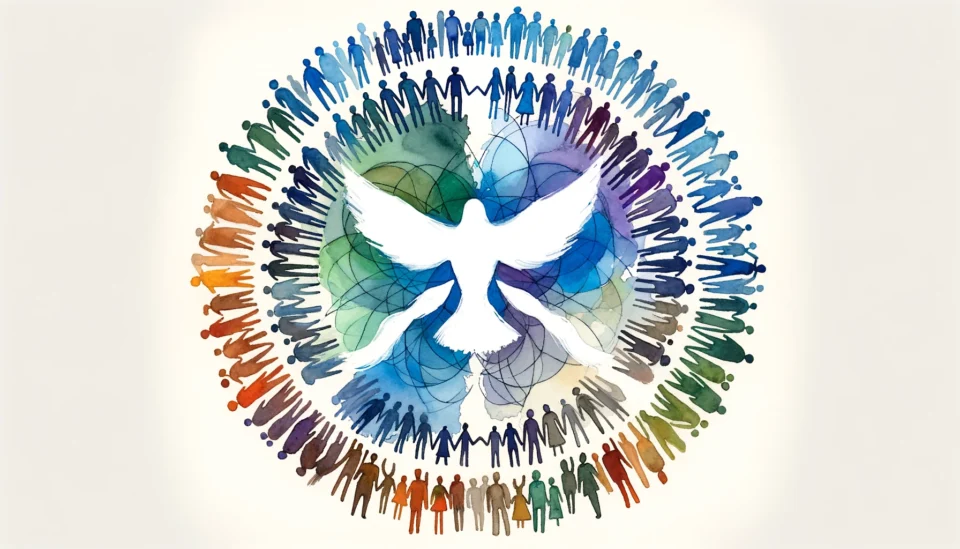


In traditional justice systems, the focus often lies on punishing the offender. However, a more holistic, compassionate approach is gaining recognition worldwide, known as Restorative Justice. This method prioritizes healing, reconciliation, and community over retribution. This article explores the concept of Restorative Justice, its principles, benefits, and how it offers a new perspective on conflict resolution.
Understanding Restorative Justice
Restorative Justice is a response to crime or wrongdoings that focuses on the harm done to people and relationships rather than just breaking laws. It seeks to repair harm by involving all stakeholders – victims, offenders, and the community – in a process that promotes dialogue, negotiation, and problem-solving.
The United Nations defines Restorative Justice as a method where the victim, the offender, and possibly other stakeholders actively participate together in the resolution of matters arising from the crime, generally with the help of a facilitator.
Principles of Restorative Justice
Restorative Justice is based on three primary principles:
Repair
The main goal is to repair the harm caused by the crime. This could involve physical repair, like returning stolen goods, or emotional repair, such as offering an apology.
Reconciliation
Restorative Justice encourages dialogue and understanding between the victim and offender, promoting reconciliation and healing.
Community involvement
In Restorative Justice, the community plays an active role in the process, facilitating healing and preventing future harm.
The Restorative Justice Process
The Restorative Justice process often involves facilitated meetings between the victim, offender, and relevant community members. These meetings provide a space for everyone to express their feelings, clarify misunderstandings, and discuss the impact of the wrongdoing. The ultimate goal is to reach a consensus on how to repair the harm and prevent future offenses.
Benefits of Restorative Justice
Restorative Justice has many potential benefits, including:
Healing for victims
Victims have an opportunity to express their feelings, ask questions, and receive apologies, aiding in their healing process.
Accountability for offenders
Offenders face the human impact of their actions, encouraging empathy, remorse, and responsibility.
Community empowerment
The community plays an active role in resolving conflicts, fostering a sense of empowerment and cohesion.
Restorative Justice in Practice: Case Studies
Several case studies demonstrate the potential of Restorative Justice in real-world settings:
Schools
Many schools have implemented Restorative Justice to address student conflicts. Instead of punishments like suspension, students participate in restorative circles where they discuss the conflict, its impact, and ways to resolve it. These practices have been linked to reduced suspension rates and improved school climates.
Criminal Justice
Some justice systems have begun incorporating Restorative Justice principles. For example, in New Zealand, Family Group Conferences involve the victim, offender, and their families in the resolution process. Studies have shown these practices can reduce reoffending rates.
Challenges and Criticisms of Restorative Justice
Despite its benefits, Restorative Justice also faces criticisms and challenges. Some argue that it could be manipulated to let offenders off lightly, while others worry about the potential retraumatization of victims. It’s crucial that Restorative Justice is applied carefully, with well-trained facilitators and clear guidelines to protect all participants.
The Future of Restorative Justice
As societies worldwide grapple with the shortcomings of punitive justice systems, Restorative Justice offers a promising alternative. Its principles of empathy, dialogue, and reconciliation are increasingly recognized as effective strategies for addressing harm and conflict. The future of Restorative Justice looks bright, with growing interest from educators, policymakers, and criminal justice professionals. As research continues to validate its benefits, we can expect to see Restorative Justice practices become more prevalent in schools, community organizations, and the criminal justice system.
Restorative Justice and Reintegration
One of the unique aspects of Restorative Justice is its focus on reintegration. Instead of isolating and stigmatizing offenders, it emphasizes their rehabilitation and reintegration into the community. This approach not only provides a path to redemption for offenders but also reduces the likelihood of recidivism, contributing to overall community safety.
Restorative Justice and Social Justice
Restorative Justice also intersects with broader social justice issues. Traditional justice systems often disproportionately impact marginalized communities. By providing an alternative that focuses on healing rather than punishment, Restorative Justice can potentially address some of these systemic inequities.
Restorative Justice and Conflict Resolution
Restorative Justice offers valuable insights for the broader field of conflict resolution. By emphasizing dialogue, empathy, and mutual understanding, Restorative Justice principles can be applied in various settings – from interpersonal disputes to larger societal conflicts. It presents a model of conflict resolution that values the voices of all stakeholders and seeks solutions that promote healing and harmony.
Training and Education in Restorative Justice
As the field of Restorative Justice grows, so does the demand for trained professionals who can effectively facilitate restorative processes. Universities, community organizations, and online platforms offer courses and certifications in Restorative Justice. These programs typically cover key principles, techniques for facilitating restorative dialogues, and strategies for implementing restorative practices in different contexts.
Restorative Justice in Policy
Restorative Justice is increasingly recognized in policy and legislation. Some regions have incorporated Restorative Justice into their criminal justice policies, while others have encouraged its use in schools and community organizations. Advocates continue to push for greater recognition of Restorative Justice in legal and institutional frameworks.
Restorative Justice in Schools
The principles of Restorative Justice are not only applicable to criminal justice but also to educational settings. Schools that have implemented restorative practices report fewer disciplinary incidents, improved student behavior, and a more positive school climate. In a restorative classroom, students are encouraged to take responsibility for their actions, understand the impact of their behavior on others, and participate in finding solutions to conflicts. This not only promotes a more respectful and inclusive learning environment but also equips students with valuable skills for resolving conflicts in their personal and professional lives.
Restorative Justice and Mental Health
Restorative Justice also has implications for mental health. Traditional punitive approaches can exacerbate feelings of guilt, shame, and alienation among offenders, contributing to poor mental health outcomes. By contrast, Restorative Justice can support mental health by facilitating healing, fostering empathy, and providing a supportive community for offenders to reintegrate.
Moreover, victims who participate in restorative processes often report higher satisfaction and less post-traumatic stress compared to those who go through conventional justice processes. By providing victims with an opportunity to express their feelings, ask questions, and receive genuine remorse from the offender, Restorative Justice can contribute to their emotional recovery from the crime.
Challenges in Implementing Restorative Justice
While Restorative Justice offers many benefits, implementing it is not without challenges. These can include resistance from stakeholders accustomed to traditional justice systems, lack of resources for training and facilitation, and difficulty in coordinating restorative processes. Overcoming these challenges requires strong leadership, ongoing education, and support from the community and justice system.
Case Studies in Restorative Justice
There are numerous examples worldwide of Restorative Justice in action. For instance, in New Zealand, the Maori practice of “Family Group Conferencing” has been incorporated into the youth justice system. This process brings together the young person, their family, the victim, and community representatives to discuss the offence and decide on appropriate actions for the young person to make amends.
Similarly, in Canada, the use of “healing circles” rooted in Indigenous traditions provides a restorative approach to address harm and conflict within communities. These case studies provide valuable models for how Restorative Justice can be integrated into different cultural and institutional contexts.
Conclusion
Restorative Justice presents a transformative approach to conflict resolution, one that values healing, empathy, and community over punishment. While challenges remain, the potential benefits of this approach – for victims, offenders, and communities – are significant. By shifting the focus from punishment to restoration, we can begin to reimagine our approach to justice, fostering a more compassionate, equitable, and peaceful society.
The journey towards a more restorative model of justice requires education, advocacy, and policy change. Yet, as more people discover the power of Restorative Justice, we move closer to a world where justice truly serves all members of the community.
Frequently Asked Questions
Q: What is restorative justice?
A: Restorative justice is a new approach to conflict resolution that focuses on repairing the harm caused by crime rather than just punishing the wrongdoer. It seeks to restore justice by bringing together the victim, the offender, and the community to address the effects of the crime.
Q: How does restorative justice differ from the traditional criminal justice process?
A: Restorative justice differs from the traditional criminal justice process in that it places a greater emphasis on repairing the harm and healing the relationships affected by the crime. Instead of solely focusing on punishment and incarceration, restorative justice seeks to involve all parties in finding a resolution that addresses the needs and interests of everyone involved.
Q: What are restorative justice conferences?
A: Restorative justice conferences are facilitated meetings where the victim, the offender, and their supporters come together to discuss the harm caused by the crime and find ways to repair it. These conferences provide an opportunity for everyone to share their perspectives, ask questions, and work towards a resolution that is based on understanding, accountability, and healing.
Q: How can restorative justice be used?
A: Restorative justice can be used in a variety of settings, including the criminal justice system, schools, workplaces, and communities. It can be used for both minor and serious offenses, and it is particularly effective in cases where the harm caused by the crime is more relational or emotional in nature.
Q: What are some examples of restorative justice practices?
A: Some examples of restorative justice practices include victim-offender mediation, restitution payments, community service, and restorative circles. These practices aim to involve all parties in the resolution process and focus on repairing the harm, holding the offender accountable, and reintegrating them into the community.
Q: Is restorative justice effective?
A: Numerous studies have shown that restorative justice can be highly effective in reducing recidivism rates, increasing victim satisfaction, and promoting healing and reconciliation. It has been found to be particularly beneficial for juvenile offenders and cases of non-violent crimes.
Q: How can I participate in restorative justice?
A: If you are a victim of crime or an offender seeking a more restorative approach to resolving the conflict, you can inquire with local organizations or community groups that offer restorative justice programs. They can guide you through the process and help facilitate the necessary connections.
Q: What role does restitution play in restorative justice?
A: Restitution is a crucial element of restorative justice. It involves the offender taking responsibility for their actions by making amends to the victim for the harm caused. This can include paying for damages, providing services, or offering support and assistance.
Q: Does restorative justice replace incarceration?
A: Restorative justice is not intended to replace incarceration, but rather to provide an alternative or supplementary approach to addressing the harm caused by crime. It recognizes that punishment alone does not always lead to long-term behavior change and seeks to address the underlying causes of the offense.
Q: Are there any organizations or resources dedicated to restorative justice?
A: Yes, there are several organizations and resources dedicated to promoting and implementing restorative justice practices. Some notable ones include the Center for Justice and Reconciliation, Prison Fellowship International, and various restorative justice programs offered by local communities and schools.