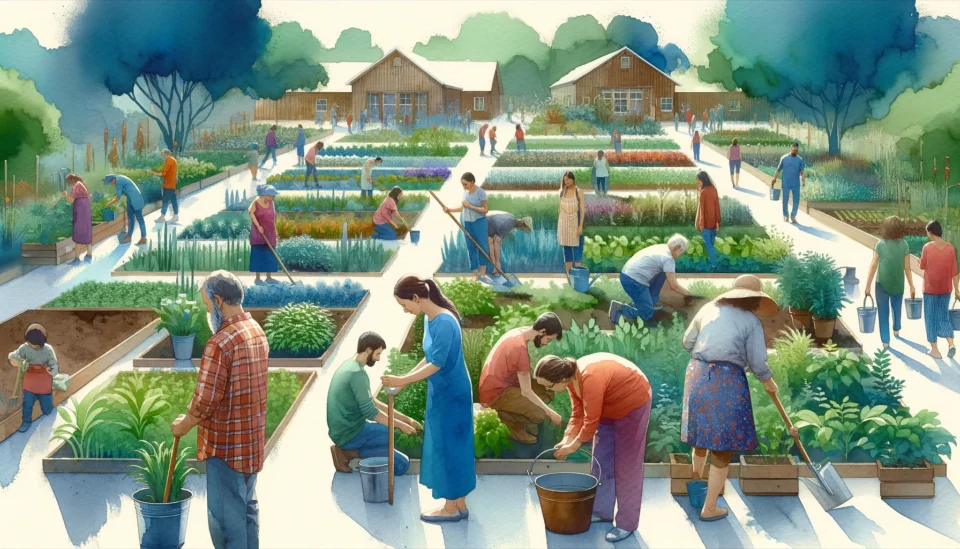


In the heart of bustling urban landscapes and suburban tranquility alike, community gardens serve as unique spaces where individuals come together, united by a common purpose: to nurture life from the soil.
These shared spaces, however, extend beyond their horticultural value. They have evolved into platforms for community dialogues, fostering coexistence, mutual respect, and understanding among diverse individuals. This article explores the power of community gardens in resolving conflicts, promoting dialogue, and sowing seeds of harmony.
Community Gardens as Spaces for Dialogue
Community gardens, with their shared responsibilities and common goals, naturally promote dialogue and cooperation. The simple act of gardening together—planting, weeding, watering—brings people into conversation, facilitating exchange of ideas, knowledge, and experiences. As individuals from diverse backgrounds work side by side, they break down barriers, challenge stereotypes, and build understanding. These gardens become a fertile ground for dialogue, subtly cultivating empathy and respect.
Case Studies of Conflict Resolution in Community Gardens
Real-life instances underscore the role of community gardens in conflict resolution. Consider the case of a neighborhood garden in a city known for racial tension. Initially, the garden was a site of discord, with community members disagreeing over its use. However, as they began to work together, dialogues unfolded, perspectives were shared, and understanding blossomed. Over time, the garden transformed from a point of conflict to a symbol of community unity.
In another instance, a community garden served as a bridge between young residents and elderly locals. The generation gap was evident, with both groups viewing each other with suspicion. The establishment of a community garden brought these groups together. As they worked in tandem, they began to communicate, understand each other’s viewpoints, and appreciate their shared commitment to the garden. The initial mistrust gradually gave way to mutual respect, resolving the generational conflict.
The Role of Community Gardens in Mediation
Community gardens often serve as neutral grounds, making them ideal spaces for mediation. The tranquil ambiance of these gardens, coupled with the shared sense of purpose, can diffuse tension and facilitate open, honest conversation. Mediators can leverage the relaxed, cooperative environment to guide conflicting parties towards resolution. The garden tasks serve as a form of parallel dialogue, where parties engage in a shared activity while discussing their issues, reducing hostility and promoting understanding.
Community Gardens: Fostering Respect and Understanding
The ethos of community gardening revolves around cooperation, shared responsibility, and respect for nature and fellow gardeners. These values echo in the interactions among garden members, fostering an environment of mutual respect and understanding. They learn to appreciate each other’s efforts, acknowledge differences, and work towards common goals.
The community garden becomes a living classroom for coexistence, teaching lessons of patience, compromise, and collective effort.
Empowering Communities Through Dialogue in Gardens
Community gardens empower individuals by giving them a voice in a shared endeavor. They democratize public spaces, encouraging community members to express their opinions, share their ideas, and contribute to collective decision-making. This participatory approach enhances community engagement, fosters a sense of belonging, and instills a shared sense of ownership and responsibility.
As community members navigate through gardening challenges, they develop negotiation and problem-solving skills, strengthening their capacity for dialogue and conflict resolution.
The Future of Community Dialogues in Gardens
With the increasing recognition of their social benefits, community gardens are poised to play a larger role in community dialogue and conflict resolution. As more communities embrace the concept of shared gardening, opportunities for dialogue and understanding are set to expand. Technological advancements, from gardening apps to online communication platforms, can further facilitate these dialogues, making them more effective and inclusive.
As we navigate the challenges of the 21st century—from climate change to social inequality—community gardens offer a beacon of hope. They represent a powerful model of community-led action, demonstrating how shared goals and collective efforts can bring about positive change. As platforms for dialogue, they hold the potential to bridge divides, heal conflicts, and foster a culture of peace and understanding.
Challenges and Opportunities
While community gardens hold immense potential, they are not without challenges. Limited space, resource constraints, and community conflicts can pose hurdles. However, these challenges also present opportunities for dialogue, problem-solving, and innovation.
For instance, space constraints can prompt discussions about resource allocation and shared responsibilities, fostering negotiation skills. Resource limitations can encourage community members to explore innovative, sustainable solutions, stimulating creativity and cooperation. Conflicts, while challenging, provide opportunities for dialogue, mediation, and conflict resolution, strengthening community bonds and resilience.
Impact on Mental Health
Community gardens also have a positive impact on mental health. The act of gardening can reduce stress, boost mood, and improve overall well-being. The sense of community, coupled with the satisfaction of nurturing plants, can bring joy, peace, and a sense of purpose. Moreover, the dialogues that unfold in these gardens can contribute to emotional well-being, as individuals feel heard, understood, and valued.
Community Gardens and Education
Community gardens can also serve as outdoor classrooms, offering hands-on learning opportunities. Children and adults alike can learn about plant biology, ecology, and environmental sustainability. They can also learn about communication, cooperation, and conflict resolution, gaining valuable social skills. The garden becomes a space where education transcends textbooks, fostering experiential learning and holistic development.
Conclusion
Community gardens, in their humble simplicity, embody a powerful concept: the power of dialogue in promoting coexistence and understanding. They serve as shared spaces where individuals can come together, engage in dialogue, and work towards common goals. They highlight the potential of community-led initiatives in resolving conflicts and fostering harmony.
In a world where divisions often run deep, community gardens offer a refreshing model of cooperation, dialogue, and mutual respect. They remind us that while our opinions may differ, we can still work side by side, nurturing life from the soil, fostering understanding, and cultivating peace. They remind us that in every seed sown, there lies the promise of a dialogue, the potential for understanding, and the hope for a more harmonious, inclusive world.
Frequently Asked Questions
Q: How can I engage and hold a community dialogue in gardens?
A: Engaging and holding a community dialogue in gardens involves several steps. First, it’s important to invite individuals who are representative of the community to participate in the dialogue process. This usually includes stakeholders, community leaders, and representatives from various institutions. The facilitator of the dialogue should provide a respectful and constructive forum for participants to share and discuss community issues aimed at planting seeds of coexistence and understanding.
Q: What is the purpose of community dialogues emerging in 2020?
A: The purpose of community dialogues conducted in 2020 is to deepen understanding and appreciation among community members and to deal with contentious issues. They aim to bring people together, bridge power differentials, improve cohesion, and foster a sense of unity. Moreover, it enables the participant groups to agree on common goals for the dialogue process.
Q: How do I recruit participants for a community dialogue?
A: Participant recruitment can be achieved via community centers, library outreach, and by sending invitations directly to community participants. Reach out to community leaders and other stakeholders, and clarify the goals and purpose of the dialogue during recruitment. Ensure a diverse and representative participant group to maximize the effectiveness of the dialogue.
Q: How should the dialogue process be facilitated?
A: A facilitator, who could be a staff member from an institution or an individual who is familiar with community dynamics, should guide the discussions among the participants. The facilitator’s role is to foster a respectful and constructive environment, and help to engage the participants in sharing and discussions. They should also clarify and summarize points for better understanding and consensus building.
Q: Do you invite faculty to engage in community dialogues?
A: Yes, faculties can be invited to participate in community dialogues. They can offer unique perspectives and insights into the dialogue process, particularly if the topics of discussion are related to their area of expertise. Their participation can also foster partnerships between institutions and the community.
Q: How do you sustain the impact of community dialogues among community members?
A: To sustain the impact of community dialogues, it’s important to integrate the dialogue outcomes into community policies. Regular forums can be held to review progress and collect feedback. Additionally, fostering an environment of respectful and appreciative discussion in these dialogues can lead to stronger community cohesion in the long term.
Q: What’s the role of community centers and libraries in holding a community dialogue?
A: Community centers and libraries play a significant role in holding a community dialogue. As neutral and accessible spaces, they serve as ideal locations for these dialogues. They may also aid in the recruitment of participants, dissemination of information, and organization of the dialogue process.
Q: How should contentious issues be handled in a community dialogue?
A: Contention is expected in community dialogues. Facilitators should manage these by fostering a safe environment for participants to express their views, while reminding everyone to maintain respect. This respectful dialogue can improve understanding of diverse views and possibly lead to a consensus or constructive agreement on contentious issues.
Q: What is the role of stakeholders in the dialogue process?
A: Stakeholders, including community leaders, play a crucial role in ensuring the representation of community interests in the dialogue process. They help to identify key issues, contribute to discussions, make suggestions, and actively participate in decision-making. Their involvement strengthens the dialogue process as they often represent different sections of the community.