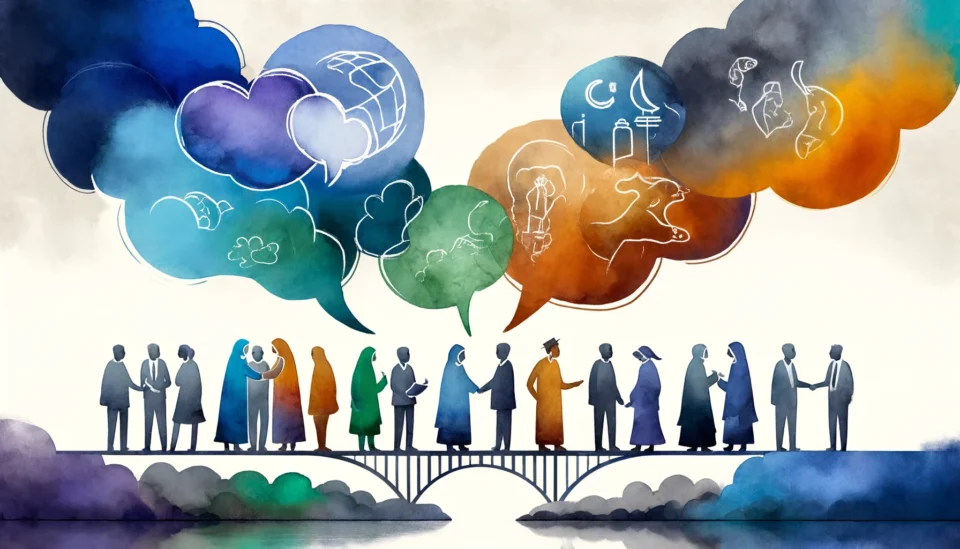


In today’s globalized world, bridging the gap between diverse cultures is a pressing need. The power of dialogue emerges as an essential tool in fostering understanding and cooperation across cultural, religious, and social divides. This open and respectful communication can dismantle prejudices, challenge stereotypes, and lay a foundation for peace and coexistence. In this article, we delve into the importance of dialogue and outline various strategies for promoting meaningful communication across different backgrounds.
The Importance of Dialogue in Multicultural Societies
As societies grow increasingly diverse, the importance of effective dialogue between individuals of different cultural backgrounds is paramount. Dialogue serves as a platform for individuals to exchange ideas, learn from one another, and gain a broader understanding of contrasting perspectives. In multicultural societies, dialogue fosters an environment of tolerance, respect, and empathy, leading to a more inclusive and harmonious community.
Here, it’s worth noting the findings of a study conducted by Harvard University. The researchers found that repeated intergroup contact, where individuals from diverse backgrounds engage in dialogue, significantly reduced prejudice and promoted more inclusive attitudes.
The Role of Active Listening in Cross-Cultural Communication
Active listening is a vital component of effective dialogue. It requires an intentional effort to understand and absorb what the other person is communicating. This process extends beyond the spoken words, acknowledging non-verbal cues and the emotions behind the message. A study by the University of Missouri emphasized that active listening can result in better understanding, improved relationships, and increased empathy, particularly crucial in cross-cultural dialogues.
Developing Cultural Intelligence
Cultural intelligence, the ability to navigate and adapt to different cultural contexts, is essential for constructive dialogue with people from diverse backgrounds. Developing cultural intelligence involves learning about other cultures, challenging one’s own assumptions and biases, and practicing empathy and open-mindedness.
According to a report by the Harvard Business Review, individuals with high cultural intelligence are more effective in cross-cultural dialogues and are better equipped to understand and adapt to cultural differences. This ability enhances the quality of communication, fostering a deeper understanding and mutual respect.
Building Trust in Cross-Cultural Dialogue
Trust plays a pivotal role in any dialogue, more so when it involves individuals from different cultural backgrounds. Building trust involves demonstrating respect, openness, and genuine interest in understanding the other person’s perspective. A study by the Journal of International Business Studies found that trust significantly improves the quality and effectiveness of cross-cultural communication.
The Role of Language in Cross-Cultural Dialogue
Language is a significant factor in cross-cultural dialogue. An effort to learn key phrases or expressions in another person’s language can demonstrate respect and facilitate better communication. However, potential language barriers should be acknowledged, and strategies like using simple language, speaking slowly, and employing visual aids should be utilized to ensure the dialogue remains accessible and inclusive.
Creating Spaces for Cross-Cultural Dialogue
Promoting cross-cultural dialogue can be effectively achieved by creating spaces where people from different backgrounds can engage in conversation. These spaces can take various forms, such as interfaith gatherings, cultural exchange programs, and community events celebrating diversity. By facilitating safe and supportive environments, these initiatives help foster understanding, dismantle stereotypes, and encourage ongoing dialogue.
Using Technology to Facilitate Cross-Cultural Dialogue
Technology has revolutionized the way we communicate, presenting new opportunities for cross-cultural dialogue and collaboration. Social media platforms, online forums, and video conferencing tools have made it easier for people from different parts of the world to connect. Leveraging these technologies can broaden networks, facilitate the exchange of ideas, and foster learning from a diverse audience. However, these online interactions should be approached with the same level of respect, respect, empathy, and open-mindedness as face-to-face conversations.
The Role of Education in Promoting Cross-Cultural Dialogue
Education is a powerful tool in fostering cross-cultural dialogue and understanding. By integrating multicultural perspectives into school curriculums, educators can nurture appreciation for diversity and equip students with the necessary skills to navigate an increasingly interconnected world. Schools can create opportunities for dialogue and exchange between students from different cultural backgrounds, fostering understanding and empathy from an early age.
The Importance of Ongoing Dialogue
Engaging in cross-cultural dialogue should not be a one-time event but an ongoing process of learning, growth, and relationship-building. By maintaining open lines of communication and continuously seeking opportunities for dialogue, individuals can deepen their understanding of different perspectives and strengthen connections between diverse communities. This commitment to ongoing dialogue is vital for fostering lasting understanding, respect, and cooperation across cultural divides.
Challenges and Opportunities in Cross-Cultural Dialogue
Despite its many benefits, cross-cultural dialogue is not without its challenges. Language barriers, cultural misunderstandings, and deeply ingrained biases can hinder effective communication. However, these obstacles also present opportunities for growth and learning. By confronting these challenges head-on, individuals can broaden their perspectives, deepen their understanding of different cultures, and contribute to a more inclusive and peaceful society.
Case Study: Cross-Cultural Dialogue in Action
To illustrate the power of dialogue, consider the example of the “Dialogues in the Diasporas” project by the United Nations Alliance of Civilizations (UNAOC). The project sought to promote understanding and cooperation among diaspora communities in Europe through dialogue. The initiative included workshops, discussions, and training sessions focused on fostering mutual understanding and respect. The project was a resounding success, with participants reporting increased cultural awareness and a deeper appreciation for diversity.
Case Study: Examples of Successful Cross-Cultural Dialogues
Throughout history, there have been numerous examples of successful cross-cultural dialogues that have led to significant social and political changes. For instance, the dialogues between leaders of different religious communities have often led to greater understanding and cooperation, reducing tensions and conflicts. Similarly, dialogues between different ethnic or racial groups have helped to resolve misunderstandings and foster peace.
Overcoming Challenges in Cross-Cultural Dialogue
Cross-cultural dialogue isn’t always easy. Misunderstandings can arise due to language barriers, cultural differences, or even unconscious biases. However, these challenges can be overcome with patience, respect, and a willingness to learn and understand. It’s important to enter into a dialogue with an open mind and the intention to learn rather than to convince or change the other person’s perspective.
Future of Cross-Cultural Dialogue
With the world becoming increasingly interconnected, the importance of cross-cultural dialogue will only continue to grow. It’s crucial for individuals, communities, and nations to invest in fostering these dialogues to promote understanding, peace, and coexistence. The future of our global society depends on our ability to understand, appreciate, and coexist with different cultures, religions, and ideologies.
Role of Non-Profit Organizations in Promoting Cross-Cultural Dialogue
Non-profit organizations around the globe play a vital role in promoting cross-cultural dialogue. These organizations often serve as neutral platforms where individuals from various cultures can come together to share their perspectives, learn from each other, and collaborate on initiatives that promote peace and coexistence. They organize events, conferences, and workshops that provide opportunities for cross-cultural interaction and learning.
Cross-Cultural Dialogue in the Workplace
In the business world, cross-cultural dialogue is crucial for fostering diversity and inclusion. As businesses become more global, it’s essential for employees to understand and respect cultural differences. This understanding can help prevent miscommunication and conflict, enhance teamwork, and improve overall productivity. Many companies now offer cross-cultural training to their employees to equip them with the skills needed to effectively communicate and collaborate with colleagues from diverse cultural backgrounds.
The Impact of Cross-Cultural Dialogue on Global Issues
Cross-cultural dialogue also plays a critical role in addressing global issues such as climate change, poverty, and inequality. These challenges cannot be solved by one nation or culture alone. They require collaboration and understanding between nations, cultures, and individuals. Cross-cultural dialogue provides a platform for sharing ideas, knowledge, and solutions, and for building the mutual understanding and cooperation needed to tackle these global challenges.
Conclusion
In an increasingly interconnected world, the power of cross-cultural dialogue in fostering understanding and peace cannot be overstated. It provides a path for breaking down barriers, dispelling stereotypes, and building bridges of understanding and respect between diverse communities. Through active listening, empathy, and ongoing dialogue, we can work together to create a more inclusive, harmonious, and interconnected world. It is a journey of learning, growth, and connection that holds the potential to transform our world in profound ways.