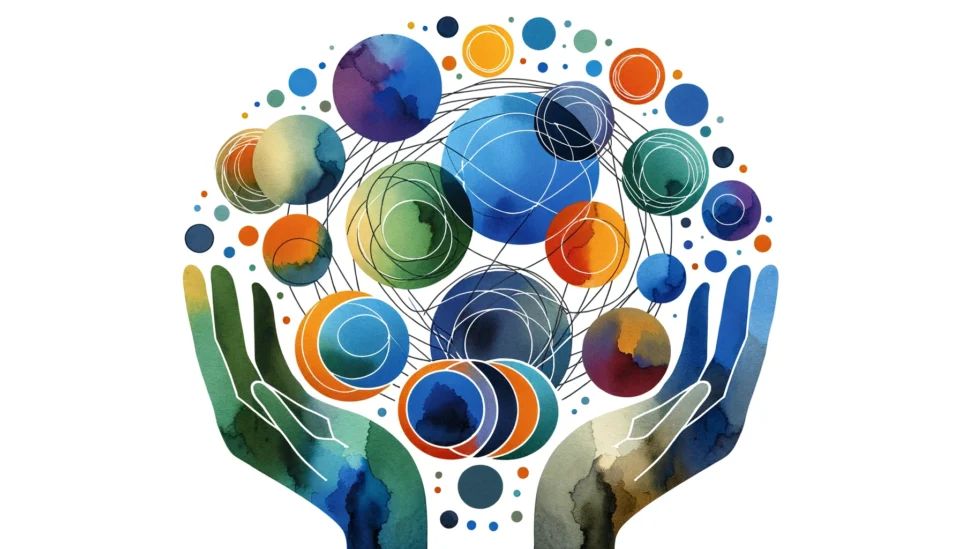


Multiculturalism is the coexistence of diverse cultural, ethnic, racial, and religious groups within a society. It reflects a willingness to embrace the unique differences among people and to celebrate the rich tapestry of human experience. As societies become increasingly interconnected, understanding the various forms of multiculturalism is crucial to promoting inclusivity, tolerance, and harmony. In this article, we will explore the different forms of multiculturalism, how they manifest in various societies, and their impact on fostering diversity and inclusivity.
Pluralistic Multiculturalism
Pluralistic multiculturalism emphasizes the coexistence of multiple cultures while maintaining their distinct identities. This form of multiculturalism values diversity and encourages people to preserve their unique cultural heritage. It does not seek to assimilate or blend different cultures into a single, homogenized society. Instead, it promotes the idea that each culture has its own worth and value, and that people can learn from and appreciate the differences among them.
Examples of pluralistic multiculturalism can be found in many societies, such as Canada, where the government actively promotes multiculturalism as a national policy. In these settings, diverse communities are encouraged to maintain their languages, customs, and traditions while also participating in the broader society.
Melting Pot Multiculturalism
The melting pot model of multiculturalism emphasizes the blending and merging of different cultures into a single, unified society. This form of multiculturalism promotes the idea that all people, regardless of their background, can become part of the larger cultural fabric. It seeks to create a new, shared identity that incorporates elements of various cultural traditions.
The United States is often cited as an example of a melting pot society, where people from diverse backgrounds come together and contribute to a shared national identity. In this model, immigrants and their descendants are encouraged to adopt the language, customs, and values of the dominant culture while still preserving aspects of their unique heritage.
Multiculturalism as a Policy
In some cases, multiculturalism is implemented as a government policy aimed at promoting inclusivity, tolerance, and harmony among diverse communities. This form of multiculturalism seeks to ensure that all citizens have equal opportunities to participate in society, regardless of their cultural background. It often involves the implementation of programs and policies that support minority groups, promote cultural awareness, and combat discrimination.
Examples of countries that have adopted multiculturalism as a policy include Canada, Australia, and Sweden. In these settings, governments actively work to promote cultural diversity and inclusivity through initiatives such as funding for cultural organizations, support for minority-language education, and anti-discrimination legislation.
Multiculturalism as a Social Reality
In some contexts, multiculturalism is not a deliberate policy or philosophy but rather a social reality that arises from the presence of diverse cultural groups within a society. This form of multiculturalism can be seen in many cities and regions around the world, where people from various backgrounds live together and interact on a daily basis. In these settings, multiculturalism is not so much a guiding principle or policy but an organic manifestation of human diversity.
Examples of multiculturalism as a social reality can be found in cities such as London, New York, and Sydney, where people from all corners of the globe live, work, and interact. These cities are characterized by a rich tapestry of languages, customs, and traditions that reflect the diverse backgrounds of their inhabitants.
Hybrid or Creole Multiculturalism
Hybrid or Creole multiculturalism refers to the blending of different cultures to create new cultural forms, expressions, and identities. This form of multiculturalism acknowledges that cultures are not static entities but are constantly evolving and adapting to new contexts and influences. Hybrid multiculturalism can be seen in areas such as music, food, fashion, and language, where elements of various cultural traditions are combined to create something new and unique.
Examples of hybrid multiculturalism can be found in the Caribbean, where African, European, and indigenous influences have combined to create unique cultural expressions such as reggae music, Creole languages, and Afro-Caribbean cuisine. Similarly, the blending of Indian, Chinese, Malay, and indigenous cultures in Malaysia and Singapore has given rise to distinctive hybrid cultural forms.
Cosmopolitan Multiculturalism
Cosmopolitan multiculturalism is characterized by a global outlook and an appreciation for the diverse cultures of the world. This form of multiculturalism values cultural exchange and seeks to foster mutual understanding and respect among people from different backgrounds. It emphasizes the importance of dialogue, cooperation, and empathy in building bridges between cultures.
Cosmopolitan multiculturalism can be seen in the growing popularity of international cultural events and festivals, the rise of global cuisine, and the increasing interconnectedness of people through travel, communication, and technology. It is also reflected in the emergence of global citizens who are comfortable navigating and appreciating the diversity of the world’s cultures.
Interculturalism
Interculturalism is an approach to multiculturalism that focuses on promoting interaction, dialogue, and understanding between different cultural groups. Rather than simply celebrating diversity, interculturalism seeks to foster meaningful connections among people from diverse backgrounds. It encourages people to engage with and learn from one another, thereby promoting social cohesion and reducing cultural barriers.
Interculturalism can be seen in educational initiatives that promote cultural exchange and understanding, such as study abroad programs, language learning, and cultural competency training. It is also reflected in community initiatives that bring together people from different cultural backgrounds to work together on common goals, such as neighborhood improvement projects or cross-cultural dialogue forums.
Pluralistic Multiculturalism
Pluralistic multiculturalism refers to a society that not only acknowledges but also encourages and supports the coexistence of multiple cultural groups. This form of multiculturalism emphasizes the importance of preserving and respecting the distinct cultural identities of each group while fostering a sense of unity and belonging within the larger society. Pluralistic multiculturalism can be seen in countries like Canada and Australia, where policies and programs are designed to promote and support the cultural diversity of their populations.
Assimilationist Multiculturalism
Assimilationist multiculturalism is an approach that focuses on the integration of minority cultural groups into the dominant culture. This form of multiculturalism aims to create a cohesive society by encouraging minority groups to adopt the language, customs, and values of the majority culture. Although this approach may promote social cohesion, it can also lead to the erosion of cultural diversity and the suppression of minority voices.
Inclusive Multiculturalism
Inclusive multiculturalism is an approach that seeks to create a society where all cultural groups are valued, respected, and included. This form of multiculturalism emphasizes the need for institutions and policies that promote equal opportunities and social justice for all members of society, regardless of their cultural background. Inclusive multiculturalism can be seen in the adoption of anti-discrimination laws, the promotion of inclusive education, and the implementation of diversity and inclusion initiatives in the workplace.
Transculturalism
Transculturalism is a concept that goes beyond multiculturalism by focusing on the ways in which cultures interact, influence, and transform one another. This approach recognizes that cultural exchange is a dynamic and ongoing process that shapes the way people think, feel, and behave. Transculturalism encourages the exploration of commonalities and differences between cultures and promotes the idea that cultural identity is fluid and ever-changing.
Critical Multiculturalism
Critical multiculturalism is an approach that seeks to challenge and deconstruct the power dynamics and hierarchies that exist within multicultural societies. This form of multiculturalism aims to create a more equitable and just society by addressing issues such as racism, discrimination, and cultural imperialism. Critical multiculturalism can be seen in the work of activists, educators, and scholars who strive to promote social justice and equality through the examination of cultural narratives and the dismantling of oppressive structures.
Intersectional Multiculturalism
Intersectional multiculturalism is an approach that recognizes the complex and interconnected nature of different social identities, such as race, gender, class, and sexuality. This form of multiculturalism emphasizes the need to consider how these multiple identities intersect and interact with one another in shaping people’s experiences and opportunities. Intersectional multiculturalism can be seen in the work of scholars and activists who advocate for a more nuanced understanding of diversity and inclusion, taking into account the ways in which different forms of oppression and privilege intersect.
Post-multiculturalism
Post-multiculturalism is a term used to describe a shift in thinking about multiculturalism that moves beyond traditional approaches and focuses on the need for new, more flexible and inclusive models. This perspective acknowledges the limitations and challenges of multiculturalism and seeks to develop new ways of understanding and addressing cultural diversity in an increasingly globalized world. Post-multiculturalism can be seen in the work of scholars and policymakers who are exploring innovative approaches to fostering intercultural understanding and social cohesion, such as cosmopolitanism, interculturalism, and transculturalism.
By exploring these different forms of multiculturalism, we can develop a deeper understanding of the complexities and nuances involved in addressing cultural diversity. This knowledge can help inform policies and practices that create more inclusive, equitable, and harmonious societies.
Conclusion
Understanding the different forms of multiculturalism is crucial for fostering a more inclusive, tolerant, and harmonious world. By recognizing the value of diversity and promoting dialogue and understanding among different cultural groups, we can work together to build a more just and peaceful global society.